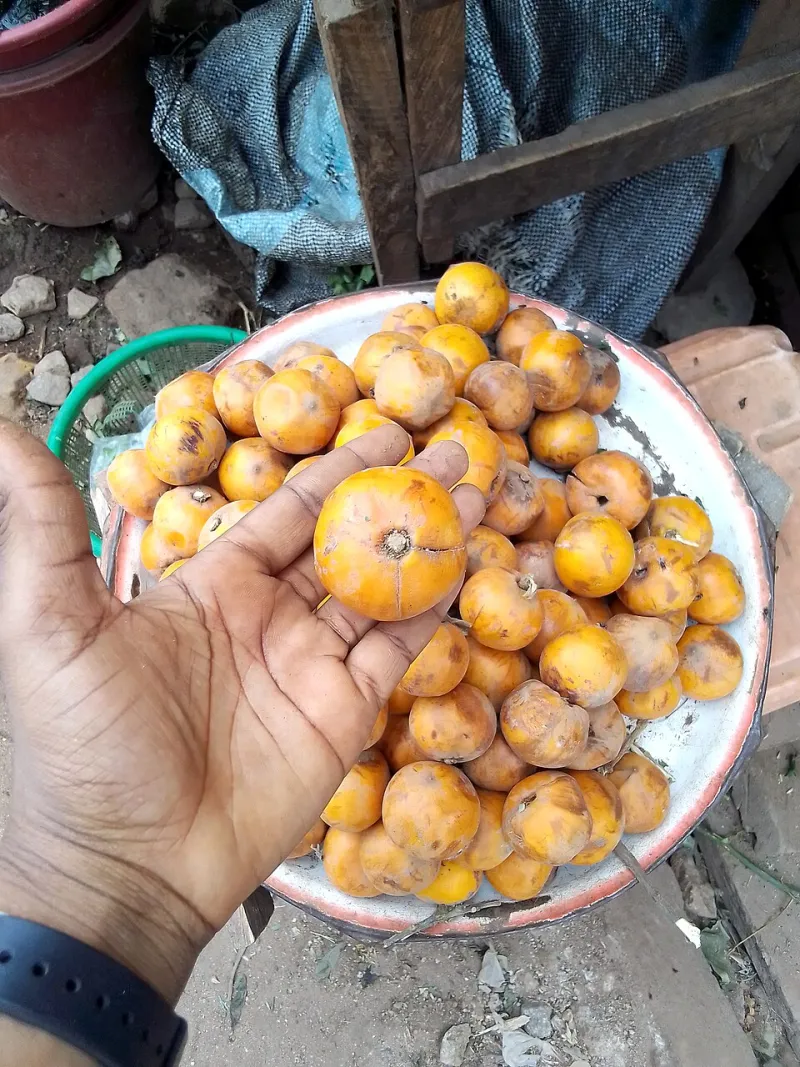
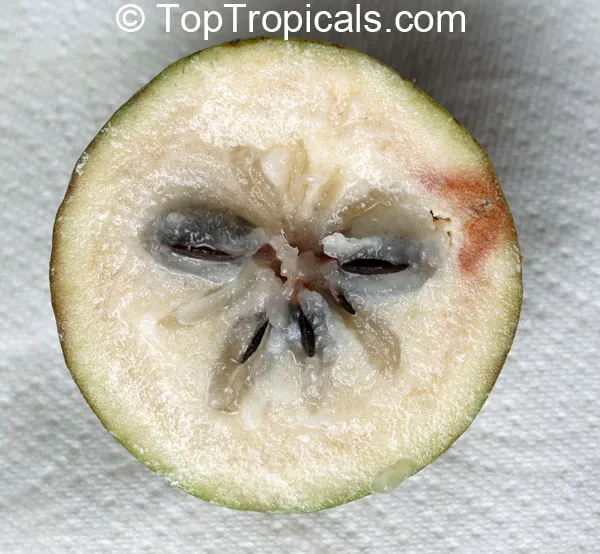
Why Caimito Still Can't Break Into the Mainstream Grocery Aisle — and What Needs to Change
Photo: Internet Archive Book Images, No restrictions, via Wikimedia Commons
Walk into any Whole Foods or Kroger in the US right now and you'll find dragon fruit, rambutan, and even the occasional cherimoya tucked into the specialty produce section. But star apple — caimito — is almost certainly not there. That's a strange reality given how much buzz the fruit has been generating online and in specialty food circles over the past few years. So what's actually going on?
The short answer: getting caimito from a farm in Jamaica, Haiti, or the Philippines to a refrigerated shelf in suburban Ohio is genuinely hard. The longer answer involves a tangle of cold chain limitations, import regulations, short shelf life, and a grocery retail system that's structurally resistant to unfamiliar produce. Let's break it down.
The Shelf Life Problem Is Real
Star apples are delicate. A ripe caimito has maybe five to seven days before it starts to deteriorate — and that window shrinks fast if temperatures aren't tightly controlled from the moment it leaves the farm. Compare that to a mango, which can hold for two to three weeks under the right conditions, and you start to understand why importers get nervous.
"The fruit itself is not the problem," says one Miami-based specialty produce importer who asked not to be named because of ongoing supplier negotiations. "The problem is that our cold chain infrastructure between the Caribbean and the US mainland was not built with something this fragile in mind. One temperature spike at a port — one delay at customs — and you've lost the load."
Air freight can solve the timeline issue, but it obliterates the economics. Shipping caimito by air from the Dominican Republic to a US distribution hub can cost four to five times what sea freight runs, and that cost has to go somewhere. Usually it lands on the consumer, pricing the fruit out of the mainstream market before it even gets a chance.
What Happens at the Border
USDA APHIS (the Animal and Plant Health Inspection Service) regulates the import of fresh tropical fruits, and the rules around caimito are not simple. Star apples from certain countries require irradiation treatment before entry into the US — a process that affects texture and, some argue, flavor. Others require cold treatment protocols that add days to an already tight timeline.
Not every country that grows caimito has the inspection infrastructure or certified treatment facilities to meet USDA requirements efficiently. That creates a bottleneck. Farmers in smaller Caribbean nations who grow excellent fruit often can't export it to the US legally without going through a third-country facility, adding cost and time to an already fragile supply chain.
Things are slowly improving. The USDA has been expanding its list of approved source countries and treatment protocols in recent years, and some importers are working directly with governments to help local farmers get certified. But it's slow going.
Grocery Retailers Want Volume. Caimito Can't Always Deliver.
Here's a dynamic that doesn't get talked about enough: large grocery chains operate on scale. Their produce buyers want consistent supply — the same quality, the same quantities, week after week. That's how you justify shelf space.
Caimito production is still largely seasonal and fragmented. Smallholder farmers in the Caribbean and Southeast Asia dominate the supply, and while that's part of what makes the fruit special, it's also what makes it hard to pitch to a regional grocery buyer. You can't promise Publix 2,000 cases a week if your supply fluctuates with rainfall and harvest cycles.
Specialty grocers and Asian grocery chains have been more willing to work within those constraints. That's why you're more likely to find caimito at an H Mart or a Caribbean market in South Florida than at a conventional supermarket. Those retailers have existing relationships with importers who handle small, irregular shipments and have customers who know what they're buying.
The Distributors Trying to Thread the Needle
A handful of specialty importers are actively working to build more reliable caimito supply chains for the US market. Some are investing in relationships with larger farms in Jamaica and Haiti that can offer more consistent volume. Others are exploring cold storage partnerships in Miami and New York — the two main entry points for Caribbean produce — to extend the fruit's usable window after arrival.
One logistics consultant working with several tropical fruit importers described the current moment as "pre-tipping point." Her view: the demand signals are there, consumer awareness is growing, and at least a few larger farms are starting to invest in post-harvest handling that could make consistent exports viable. But the infrastructure pieces haven't fully come together yet.
"We're probably two to four years away from seeing caimito in a mainstream produce section with any regularity," she said. "Unless someone makes a significant investment in the cold chain specifically for this fruit — or a major retailer decides to champion it the way Trader Joe's did with jackfruit — it's going to stay niche for a while."
What Would Actually Change Things
A few scenarios could accelerate caimito's path to mainstream US shelves:
A retail champion. Trader Joe's built awareness for several unfamiliar tropical fruits almost single-handedly. If a chain with national reach decided to feature caimito — fresh, frozen, or as a processed product — it could jumpstart the supply chain investment needed to make consistent availability real.
Frozen and processed formats. Fresh caimito is the ideal, but frozen pulp and shelf-stable caimito products sidestep most of the cold chain and shelf life issues entirely. Some importers are already testing frozen star apple in Caribbean and Latin grocery channels. If that gains traction, it could fund the infrastructure needed to eventually bring fresh fruit to a wider audience.
Larger farm operations. As more Caribbean farmers see the commercial potential — and some are, as we've covered elsewhere on this site — production scale will grow. Bigger, better-organized farms with post-harvest cooling facilities are the foundation everything else depends on.
The Bottom Line
Caimito isn't stuck in specialty stores because Americans don't want it. Interest is genuinely growing, and anyone who's tried a fresh star apple understands why. The barriers are structural — cold chain gaps, import complexity, and the volume requirements of mainstream retail. Those barriers are real, but they're not permanent.
For now, the best places to find fresh caimito in the US remain specialty tropical fruit markets, Caribbean grocery stores, and a growing number of online importers willing to ship direct. That's not a bad situation — it's actually how a lot of beloved specialty fruits got their start before going mainstream. The question is just how long the wait will be.