Why Star Apples Turn Brown After Cutting — and What You Can Actually Do About It
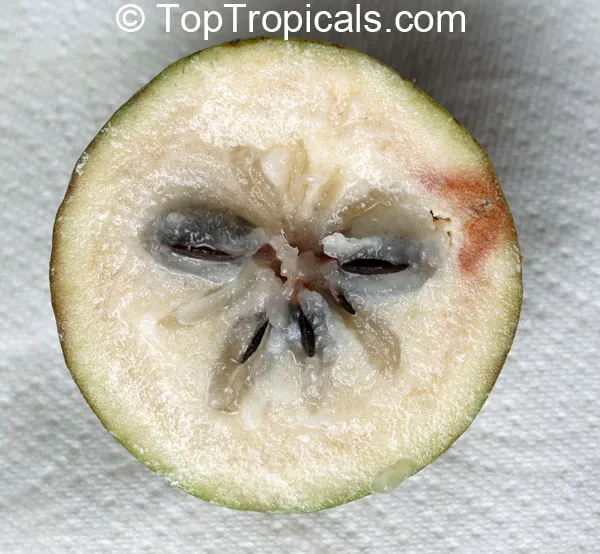
Photo: sliced star apple caimito fruit cross section white flesh, via toptropicals.com
There's a particular kind of frustration that comes with sourcing caimito in the US. You've tracked down a supplier, paid the premium shipping, waited patiently — and then you cut into your star apple and watch it turn brown before you've even finished plating. It feels like the fruit is working against you.
It's not personal. But it is chemistry, and once you understand what's actually happening inside that gorgeous purple or green skin, you can stop fighting the fruit and start working with it.
The Science Behind the Brown
When you cut a caimito, you're breaking open cells that contain an enzyme called polyphenol oxidase (PPO). The moment those cells are exposed to oxygen, PPO kicks off a chain reaction that converts naturally occurring phenolic compounds in the fruit's flesh into brown-colored melanins. This is the same process that turns a sliced apple or avocado brown — just faster and, in the case of star apple, more visually dramatic because the flesh is so pale and creamy.
Here's what makes caimito especially vulnerable: the fruit has a relatively high phenolic content compared to something like papaya or mango, and its soft, milky flesh has less structural resistance to cellular damage during cutting. A dull knife, rough handling, or even a slightly underripe fruit can accelerate the process significantly.
Temperature matters too. PPO is most active in a specific temperature range — roughly between 50°F and 85°F. That means leaving cut star apple on your counter on a warm afternoon is basically the worst thing you can do.
Refrigeration: The Baseline, Not the Solution
A lot of people assume that sticking cut caimito in the fridge solves the problem. It slows things down, but it doesn't stop them — and refrigeration introduces its own complications.
Star apples are a tropical fruit, which means they're susceptible to something called chilling injury when stored at temperatures below 50°F for extended periods. Whole, uncut caimito stored in a standard refrigerator (typically around 35–38°F) can develop pitting, discoloration, and off-flavors within a few days. The sweet spot for whole fruit storage is between 50°F and 55°F — closer to a wine cellar than a fridge.
For cut fruit, though, you don't have the luxury of that warmer range. Cut caimito needs to be cold to slow enzymatic browning, so refrigeration is still your best immediate option. The key is limiting oxygen exposure at the same time.
Quick tip: Always store cut star apple in an airtight container with a piece of plastic wrap pressed directly against the exposed flesh surface. This reduces the oxygen contact that drives the browning reaction.
Acid Treatments: The Old-School Fix That Still Works
Food scientists have known for decades that acidic environments inhibit PPO activity. For home cooks, that means a simple acid rinse or coating can buy you meaningful time before browning sets in.
The most accessible options are:
- Lemon or lime juice: A light coating of fresh citrus juice over cut caimito surfaces slows browning noticeably. The ascorbic acid (vitamin C) acts as an antioxidant that competes with the browning reaction. Use it sparingly — caimito's mild sweetness is part of its appeal, and you don't want to overwhelm it.
- Pineapple juice: A less assertive acid option that complements the tropical flavor profile without dominating it. Good for fruit salads or dessert applications.
- Diluted citric acid solution: If you're a small retailer or preparing caimito in larger batches, a diluted citric acid wash (about 1 teaspoon per quart of water) is a more neutral-flavored option that food prep professionals use widely.
Acid treatments work best when applied immediately after cutting, before any browning has started.
Vacuum Sealing: The Upgrade Worth Making
If you're buying caimito regularly — whether for your household or for a small retail or food service operation — a vacuum sealer is probably the single most impactful tool you can add to your workflow.
Removing oxygen from the storage environment dramatically slows PPO activity. Vacuum-sealed cut caimito stored in the refrigerator can hold its color and texture for two to three days versus the 30–60 minutes you'd get leaving it exposed at room temperature. Combine vacuum sealing with a light citric acid treatment and you're looking at even better results.
For whole fruit, vacuum sealing isn't practical, but storing uncut caimito in a cool, dark spot (not the refrigerator) and only cutting what you'll use immediately is still the best approach.
Freezing Caimito: What Works and What Doesn't
Freezing is where things get complicated. The honest answer is that star apple does not freeze well as a fresh-eating fruit. The high water content in the flesh means that ice crystals form during freezing and rupture the cell walls, leaving you with a mushy, weeping texture when it thaws. If you've tried freezing whole or halved caimito and been disappointed, that's why.
However, freezing works well for certain processed applications:
- Blended pulp: If you scoop out the flesh, blend it smooth, and freeze it in ice cube trays or portioned bags, the texture change becomes irrelevant. Frozen caimito pulp is great for smoothies, sauces, and as a base for jams or drinks.
- Syrup-packed segments: Some home preservers have had success freezing caimito pieces packed in a light simple syrup, which helps protect the cell structure. The texture still softens, but it's more acceptable for cooked applications.
For freezing pulp, blanching briefly (about 30 seconds in boiling water, followed by an ice bath) before blending can help deactivate PPO and preserve color better in the frozen product.
A Simple Preservation Workflow for Home Cooks
If you want a practical, repeatable routine for handling caimito at home, here's what we recommend:
- Buy whole fruit and store it at room temperature or in a cool pantry until ripe (it should yield slightly to gentle pressure).
- Cut only what you need. Seriously — caimito is not a fruit you want to prep ahead in large quantities unless you're processing it.
- Use a sharp knife. Less cellular damage means slower browning.
- Apply a light citrus juice coating immediately after cutting if you're not eating it right away.
- Store cut fruit in an airtight container with plastic wrap pressed against the flesh, refrigerated, and eat within a few hours.
- Freeze as blended pulp if you have excess ripe fruit you can't use fresh.
For small retailers, the same logic applies at scale — and it's worth training anyone handling the fruit on these basics, because mishandled caimito is one of the fastest ways to lose a customer who was already on the fence about trying something unfamiliar.
The Bigger Picture
Star apple is still a relatively unfamiliar fruit for most American shoppers, which means first impressions matter enormously. A beautifully ripe caimito that's been handled well is genuinely stunning — creamy, subtly sweet, with that distinctive star pattern when you slice it crosswise. A poorly stored one looks like a mistake.
Understanding the science behind browning isn't just trivia. It's the difference between a fruit that converts new fans and one that reinforces the idea that tropical fruits are too much trouble. With a few simple techniques, caimito can hold its own in any American kitchen — it just takes a little more intention than throwing it in the crisper drawer and hoping for the best.