From Sugar Cane to Star Apple: How Caribbean Farmers Are Betting Big on Caimito
A Quiet Revolution Happening in the Fields
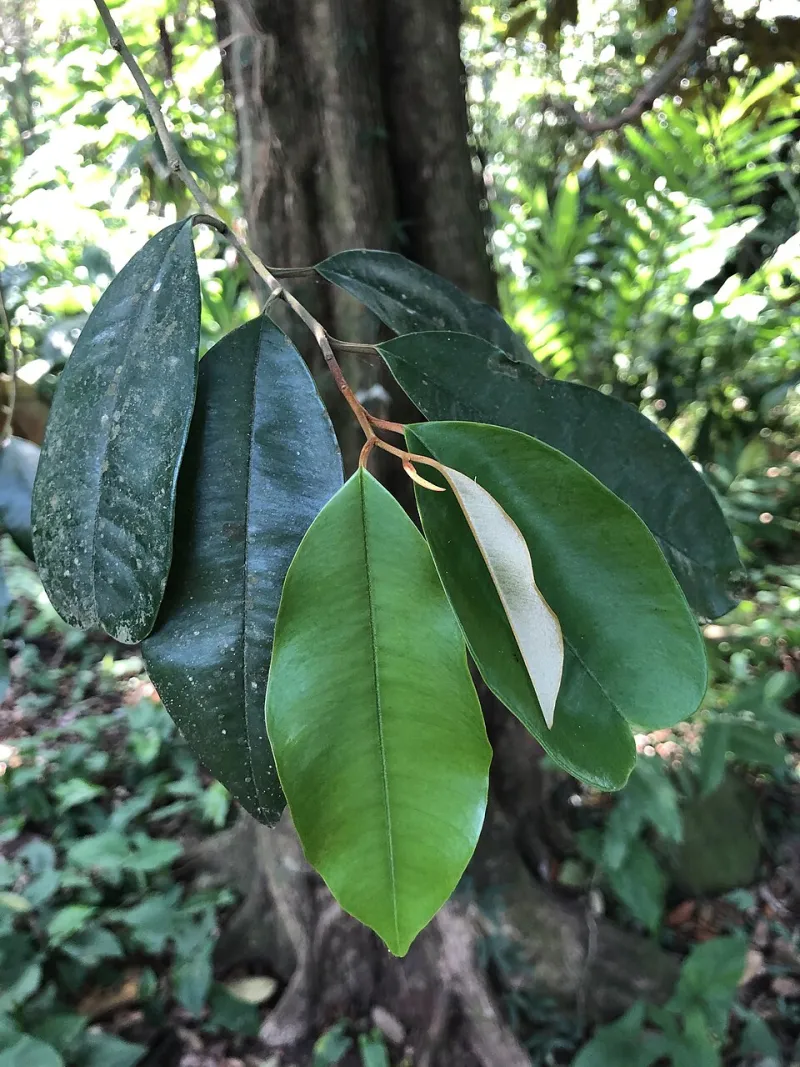
Drive through the inland municipalities of Puerto Rico — places like Utuado, Jayuya, or Lares — and you'll start noticing something different. Amid the familiar rows of plantains and the lingering remnants of coffee orchards, there are newer, rounder-canopied trees taking up space. Star apple trees. Caimito. And the farmers tending them will tell you, without much hesitation, that these trees are changing things.
This isn't a trend piece about a trendy fruit. It's a story about economics, agricultural survival, and what happens when a fruit that's been a neighborhood staple for generations suddenly starts attracting serious attention from the US mainland.
The Math Behind the Switch
For decades, small Puerto Rican farms operated on thin margins growing crops like yuca, ñame, and plantains — staples with stable but modest local demand. Coffee had its boom years, but price volatility on the global market made it a risky anchor crop for families with limited land.
Caimito offers something different. The trees are relatively low-maintenance once established, they fruit reliably in tropical conditions, and — crucially — the wholesale price per pound has been climbing. According to growers we spoke with in the Ciales region, fresh star apples can fetch anywhere from $3 to $6 per pound at specialty and ethnic grocery buyers on the East Coast, compared to under $1 per pound for plantains at volume.
That kind of price differential gets a farmer's attention fast.
"I have maybe three acres," said one grower who asked not to be named because he's still in early negotiations with a Florida-based distributor. "With plantains, I'm working hard for not much. With caimito, the same land could be making me three, four times more. I'm not going to ignore that."
Puerto Rico as a Supply Chain Sweet Spot
One of the underappreciated advantages Puerto Rico holds in this emerging market is geography combined with regulatory simplicity. As a US territory, produce grown there doesn't face the same import inspections and documentation hurdles that fruit from the Dominican Republic, Jamaica, or Colombia must clear before reaching American consumers.
That matters enormously when you're talking about a delicate, perishable fruit like caimito. Star apples have a short post-harvest window — typically just a few days at peak ripeness — so every hour saved in transit or customs processing directly affects quality and shelf life. Puerto Rican growers shipping to Miami, New York, or Philadelphia have a logistical edge that growers elsewhere simply don't.
Several agricultural cooperatives on the island have started recognizing this advantage and are actively recruiting members to diversify into caimito. The Puerto Rico Department of Agriculture has also flagged tropical specialty fruits as a priority sector in recent years, offering some technical assistance programs to farmers making the transition.
Beyond Puerto Rico: The Wider Caribbean Picture
The story isn't limited to one island. In Haiti, the Dominican Republic, and Jamaica, caimito has long been a backyard and small-plot fruit — grown for local consumption, sold informally at roadside stands, and rarely treated as a serious export commodity.
That's starting to shift. Caribbean diaspora communities in cities like New York, Miami, Boston, and Orlando have always maintained demand for the fruit, creating a baseline market that importers have historically served inconsistently. But as that diaspora grows and as food-curious mainstream American consumers discover star apple through social media and restaurant menus, importers are looking to scale up their sourcing.
For farmers in Jamaica's St. Elizabeth parish or the Cibao valley of the Dominican Republic, this represents a genuine opportunity — but also a challenge. Meeting the consistency, volume, and food safety standards that US wholesale buyers require takes investment and organization that individual smallholders often can't manage alone. Cooperative models and aggregator partnerships are emerging as the practical solution, with middlemen taking on the cold chain logistics and buyer relationships while farmers focus on production.
The Pricing Puzzle
Wholesale pricing for caimito in the US market is still far from standardized, which creates both opportunity and risk for growers. Unlike commodities with established futures markets, star apple prices are largely negotiated deal by deal between importers and their retail or foodservice buyers.
This opacity can work in a savvy farmer's favor — those with reliable quality and consistent supply can command premium prices from buyers who've been burned by inconsistent sourcing before. But it also means new entrants to the market can get squeezed if they don't have established relationships or if they're competing against lower-quality fruit that's dragging down price expectations.
Industry observers note that as US retail distribution expands — more specialty grocers, more Caribbean-focused markets in mid-sized cities, more online direct-to-consumer options — the market is likely to mature and pricing will stabilize. That's generally good news for growers who can hang on through the current volatility.
What This Means for Rural Communities
The economic ripple effects of a successful specialty crop go beyond the individual farm. When a cluster of farmers in a rural municipality starts generating meaningful income from caimito, it tends to support local equipment suppliers, packaging operations, and transport businesses. Agricultural jobs, even seasonal ones, reduce the pressure on young people to migrate to San Juan or to the US mainland in search of work.
Several community development organizations in Puerto Rico have pointed to specialty tropical fruit as one of the more realistic paths toward rural economic revitalization — more tractable than trying to revive large-scale sugar or coffee industries, and better suited to the small parcel sizes that characterize much of the island's agricultural land.
It's early days. Caimito isn't going to single-handedly solve the structural challenges facing Caribbean agriculture. But watching these farmers make calculated bets on a fruit they've known their whole lives — and seeing those bets start to pay off — it's hard not to feel like something real is taking root.