How Caimito Quietly Became the Caribbean's Favorite Fruit — and Why American Kitchens Are Just Catching Up
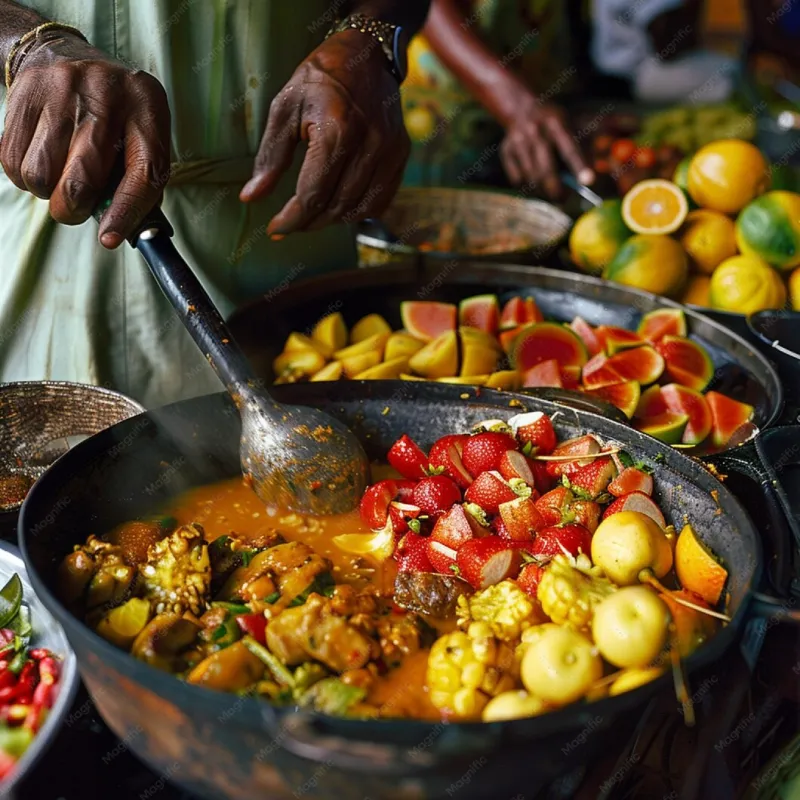
Photo: Caribbean chef cooking with tropical fruit star apple kitchen, via img.freepik.com
Walk into a Cuban grandmother's kitchen in Miami or a Haitian household in Brooklyn, and there's a decent chance you'll spot a caimito — that glossy, purple or green orb with the star-shaped seed pattern hiding inside. For communities with Caribbean and Latin American roots, this fruit isn't exotic. It's Tuesday. But step into most American restaurants outside of those neighborhoods, and the star apple is still a mystery.
That gap is closing, though. Slowly, then all at once — the way food trends tend to work.
A Fruit That Never Needed a Rebrand
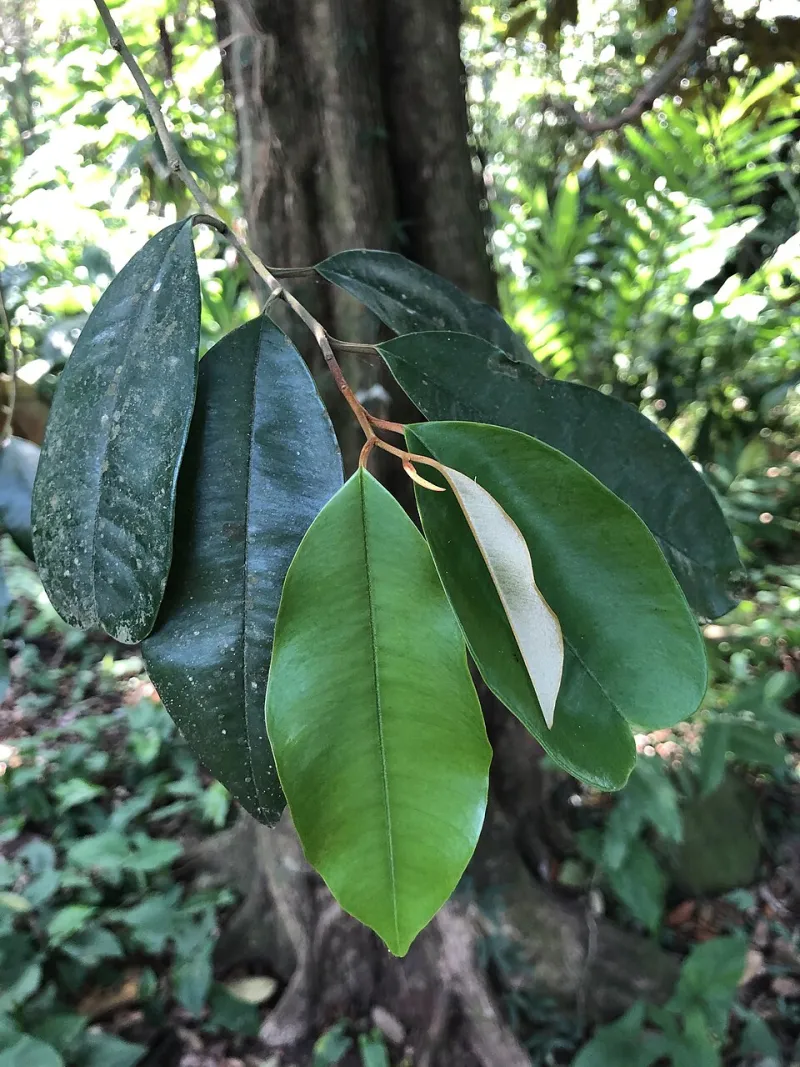
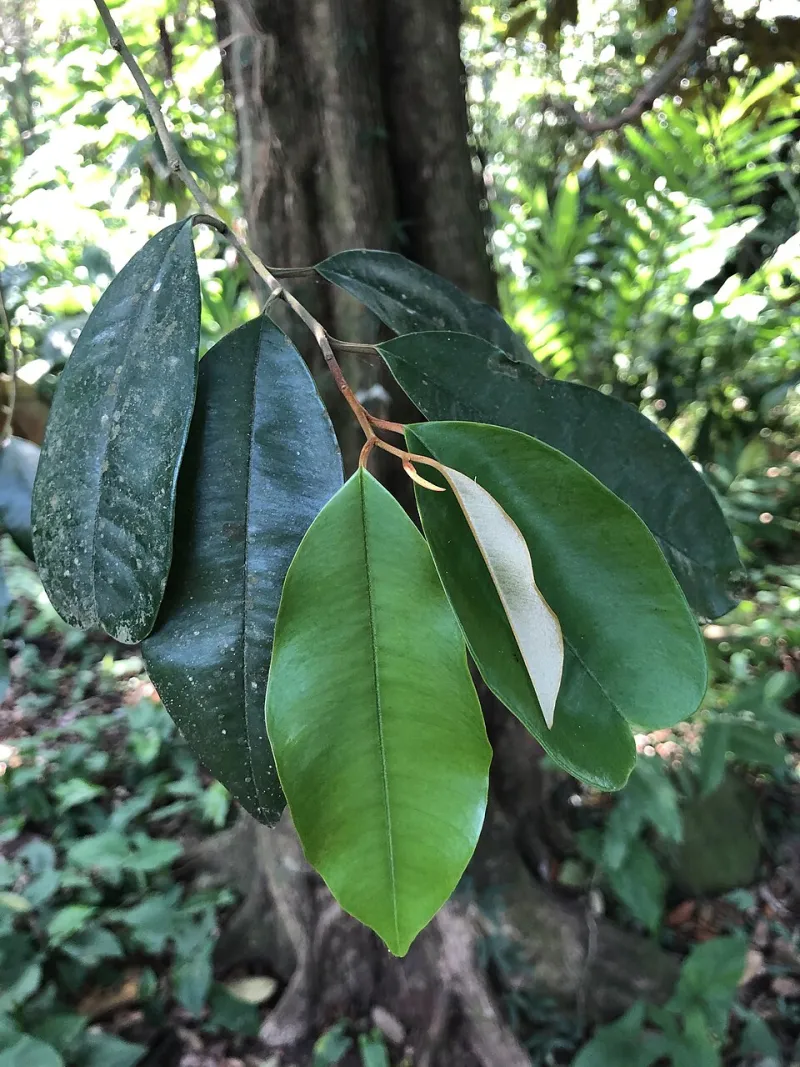
Caimito (Chrysophyllum cainito) has been cultivated across the Caribbean, Central America, and parts of South America for centuries. In Jamaica, it's eaten fresh or blended into "matrimony," a classic dessert that mixes star apple pulp with sweetened condensed milk and sometimes orange segments. In Cuba and Puerto Rico, it's a common backyard tree. In Haiti, it's sold by street vendors and eaten as a quick snack, the way Americans might grab an apple on the go.
The fruit doesn't need much done to it. Crack it open, scoop out the translucent, jellylike flesh, and you've got something that tastes like a cross between a grape, a persimmon, and a hint of vanilla. It's sweet without being cloying, with a mild floral note that lingers.
So why has it taken this long to land on American menus?
"We never had to market it," says Chef Claudine Beaumont, who runs a Caribbean-influenced pop-up in Atlanta and grew up in Port-au-Prince. "In Haiti, caimito is just food. You don't think about it the way Americans think about a new ingredient. It was always just there."
That cultural familiarity is both the fruit's greatest asset and, historically, its biggest barrier to mainstream American acceptance. It didn't need a PR campaign in the places it came from — which meant nobody gave it one when it arrived in the US.
The Immigrant Kitchen Connection
The chefs now introducing caimito to broader American audiences are largely doing it through a lens of memory and identity. For many, cooking with star apple isn't a trend — it's a homecoming.
Chef Marcus Delgado, who helms a modern Caribbean restaurant in New York City, started featuring caimito on his menu a couple of years ago after a sourcing conversation with his produce distributor. "I was describing the fruit to my sous chef, who grew up in Vermont, and watching his face was like watching someone hear a new language," he says. "But the second he tasted it, he got it immediately."
Delgado now uses caimito in savory preparations that would surprise anyone who only knows the fruit from a dessert context. He makes a caimito vinaigrette — blending the pulp with white wine vinegar, shallots, and a little Dijon — that he drapes over grilled fish. He's experimented with a caimito agua fresca on his cocktail menu, mixing the pulp with lime juice and a pinch of tajín. "It holds up surprisingly well with acid," he notes. "Most people assume it's too sweet for savory applications, but once you balance it right, it's incredible."
This kind of culinary experimentation is happening in pockets across the country, particularly in cities with large Caribbean diaspora communities: Miami, New York, Houston, and increasingly Los Angeles.
Beyond the Dessert Bowl
One of the persistent misconceptions about caimito is that it's a one-trick fruit — something you eat fresh or stir into a sweet dish and call it a day. Caribbean cooks have known for a long time that this isn't true.
In some parts of Jamaica and Trinidad, caimito is paired with savory chutneys and served alongside grilled meats. The skin, which is inedible but aromatic, has been used in traditional remedies and infusions. The leaves of the caimito tree are used in some folk medicine traditions, though culinary applications of the fruit itself remain the main event.
Chef Beaumont has been pushing the savory angle hard. Her signature dish at her Atlanta pop-up is a caimito-glazed jerk chicken — she reduces the pulp down with scotch bonnet, allspice, and brown sugar until it becomes a thick, lacquered sauce. "It's the glaze that gets people," she says. "They don't know what that sweetness is, but they keep going back for more."
Food media is starting to catch on. In the last year or so, a handful of food publications and culinary newsletters have run pieces spotlighting underutilized tropical fruits, with caimito showing up more frequently alongside jackfruit and breadfruit as ingredients worth watching. The narrative is shifting from "exotic curiosity" to "why didn't we know about this sooner?"
Supply Chain Was Always the Real Bottleneck
Here's the honest answer to why caimito took so long to reach American restaurant menus: it wasn't chefs' lack of interest or diners' lack of curiosity. It was logistics.
Star apples are notoriously fragile. They bruise easily, don't ripen uniformly, and have a short window between peak ripeness and overripe mush. For years, that made them nearly impossible to move through conventional US distribution channels at any kind of scale or consistency.
That's been changing. Improvements in cold-chain logistics, better relationships between Caribbean and Central American growers and US importers, and the rise of specialty tropical fruit distributors (hi, that's us) have made it increasingly feasible to source quality caimito in the US market. It's still not as easy as ordering mangoes or papayas, but it's no longer the logistical nightmare it once was.
For restaurants, that shift matters enormously. You can't build a menu around a fruit you can only source sporadically. Consistency is everything in a professional kitchen, and caimito is finally starting to offer that.
What This Means for the US Food Scene
The star apple's moment in American cuisine feels less like a trend and more like a correction. This is a fruit that has been beloved across entire cultures for generations, and the US food world is simply catching up to something that was never a secret — just unfamiliar.
For chefs with Caribbean roots, that recognition is meaningful. For American diners, it's an introduction to a flavor they didn't know they were missing. And for the food industry at large, caimito represents exactly the kind of ingredient story that resonates right now: rooted in real culinary tradition, versatile enough for modern kitchens, and long overdue for its close-up.
If you're a chef or restaurant buyer curious about sourcing caimito, check out our sourcing resources at Caimito Fruits. We're here to help bridge that gap between the Caribbean kitchen and yours.