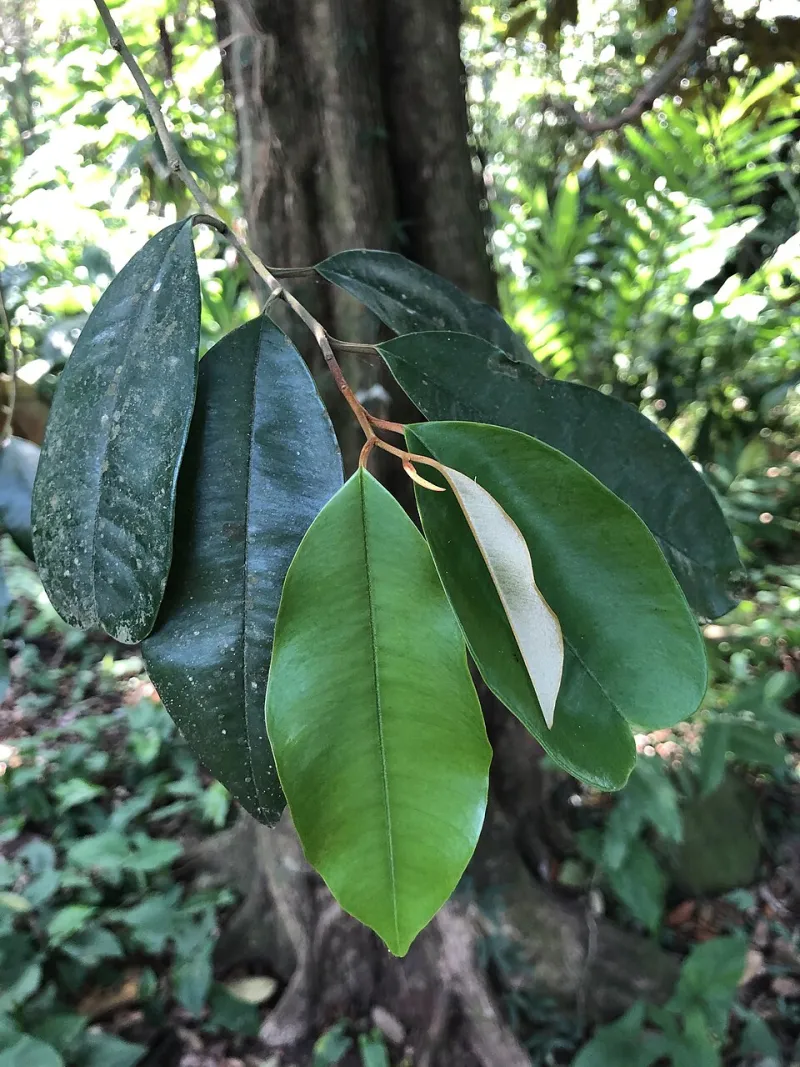
So You Want to Grow a Star Apple Tree in the US? Here's What Actually Works
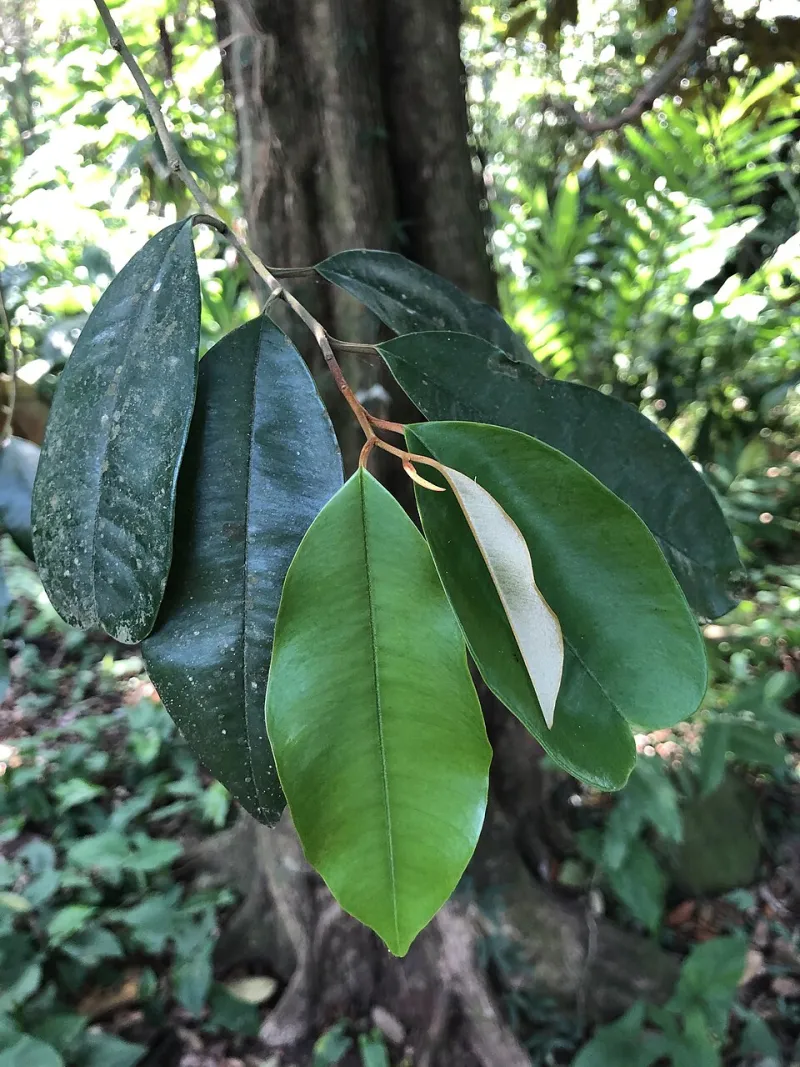
Photo: Skjold Søndergaard, CC BY 4.0, via Wikimedia Commons
Let's be honest — when most people picture a caimito tree, they're imagining lush Caribbean hillsides or a backyard in coastal Puerto Rico. The idea of growing one in, say, Houston or Savannah sounds a little ambitious. Maybe even a little foolish.
But here at Caimito Fruits, we've talked to enough backyard growers, urban farmers, and obsessive tropical fruit enthusiasts across the southern US to know that "ambitious" and "impossible" are very different things. Star apple cultivation in the continental United States is genuinely doable — you just need to go in with your eyes open.
This guide is for the gardener who's done their homework, knows what USDA hardiness zones mean, and is ready to stop dreaming and start digging.
Understanding What Caimito Actually Needs
Before we talk about workarounds, let's get clear on what a Chrysophyllum cainito tree genuinely wants out of life.
Native to the Greater Antilles and widely cultivated across Central America, Southeast Asia, and West Africa, the star apple thrives in humid tropical climates with temperatures that stay consistently above 50°F. It's not a fan of frost — even a light freeze can damage young trees, and a hard freeze will kill them outright. The tree also prefers well-draining, slightly acidic soil, plenty of sunshine (we're talking 8+ hours on a good day), and high humidity.
That's the baseline. Now here's where it gets interesting.
Zone 8 Is the Edge — and Edges Are Where Creative Growers Thrive
USDA Zone 8 covers a wide swath of the southern US: coastal Georgia, the Gulf Coast, parts of the Pacific Northwest, and much of central Texas. Average winter lows sit between 10°F and 20°F — which sounds brutal for a tropical tree, but the average doesn't tell the whole story.
Microclimates are everything.
A south-facing wall in a Zone 8b garden can behave like Zone 9 or even 9b. Urban heat islands in cities like Atlanta, Dallas, and Jacksonville push effective temperatures up meaningfully. Gardeners near the Gulf Coast benefit from the moderating effect of warm water nearby, which delays hard freezes and softens their impact.
If you're in Zone 8, the question isn't "can I grow caimito?" — it's "where in my yard is the warmest, most sheltered microclimate, and how do I put it to work?"
Look for spots that:
- Get full southern or southeastern sun exposure
- Are shielded from north winds by a fence, wall, or structure
- Sit near heat-absorbing surfaces like concrete patios or brick walls
- Have good air drainage (cold air sinks — avoid low spots)
The Container Growing Option (It's More Viable Than You Think)
For gardeners in Zone 7 and colder — or anyone who wants maximum flexibility — container growing is genuinely the move. Caimito trees can be kept to a manageable size through regular pruning, and a 25- to 30-gallon container is workable for a young tree over several growing seasons.
The setup that works best, based on what we've seen from growers in the Carolinas and even parts of Virginia:
Choose the right pot. Go with a fabric grow bag or a well-draining plastic container with multiple drainage holes. Waterlogged roots are a fast track to failure.
Use a tropical fruit mix. A blend of potting soil, perlite, and coarse sand works well. Aim for a pH between 6.0 and 7.0.
Overwinter indoors. This is the non-negotiable part. When nighttime temps start flirting with 45°F, bring your tree inside. A bright south-facing window, a sunroom, or a heated greenhouse all work. Supplemental grow lights help if natural light is limited.
Don't overwater in winter. Indoor caimito trees slow down significantly in cooler months. Let the top inch or two of soil dry out before watering again.
The tradeoff with container growing is that you likely won't see fruit as quickly as you would with an in-ground tree in a true tropical climate. But patient growers in Florida's northern counties and coastal Mississippi have reported fruit production within 5–7 years from a grafted sapling — which isn't far off from in-ground trees in ideal conditions.
Picking the Right Variety Matters
Not all caimito varieties behave the same way under cold stress. If you're sourcing a tree for a marginal climate, variety selection can make a real difference.
The two most common types you'll encounter are the purple-skinned variety and the green-skinned variety. Both produce that gorgeous star pattern when sliced crosswise (hence the name), but they differ in flavor intensity and cold tolerance.
The green-skinned variety tends to be slightly more forgiving in cooler conditions and is often described as having a milder, creamier flavor. The purple variety is richer and more intensely sweet — many growers consider it the superior eating fruit, but it's a bit more sensitive.
For Zone 8 planting, we'd lean toward the green variety for in-ground attempts and keep the purple as a container specimen you can protect more easily.
Always buy grafted trees from a reputable nursery. Seed-grown trees can take 10–15 years to fruit and may not come true to the parent. A grafted tree from a known cultivar gets you to harvest much faster.
Seasonal Care: A Month-by-Month Mindset
Growing caimito in a non-tropical US climate is really about being proactive with your care calendar.
Spring (March–May): This is your most active period. Move container trees outside once nighttime temps are reliably above 50°F. Feed with a balanced tropical fruit fertilizer (look for something with micronutrients like magnesium and iron). Prune any frost-damaged wood back to healthy tissue.
Summer (June–August): Water deeply and consistently. Caimito trees in containers especially can dry out fast during hot southern summers. Mulch heavily around in-ground trees to retain soil moisture. Watch for scale insects and sooty mold — both are common on tropical fruit trees in humid climates.
Fall (September–November): Start tapering off fertilizer in September. Begin preparing for the cold transition. Have frost cloth or burlap on hand for in-ground trees. Start the process of bringing containers indoors.
Winter (December–February): Minimal intervention for indoor container trees. Keep them in bright light, water sparingly, and resist the urge to fertilize. For in-ground trees that experience a light frost, frost cloth and a string of incandescent lights underneath can buy you several degrees of protection on a critical night.
The Honest Reality Check
We're not going to sugarcoat it: growing caimito outside of Zones 10 and 11 requires more effort than growing a peach tree or a fig. You'll have setbacks. You might lose a tree to a surprise hard freeze. The learning curve is real.
But the payoff — biting into a homegrown star apple, that silky sweet flesh with its subtle hint of vanilla, knowing you grew it yourself in Georgia or Texas — that's something special. And every year, more American growers are proving it's possible.
We're here for all of it. Browse our sourcing guides, connect with our grower community, and let's figure out together how to make this fruit feel right at home in the US.