5 Things People Keep Getting Wrong About Star Apple's Health Benefits
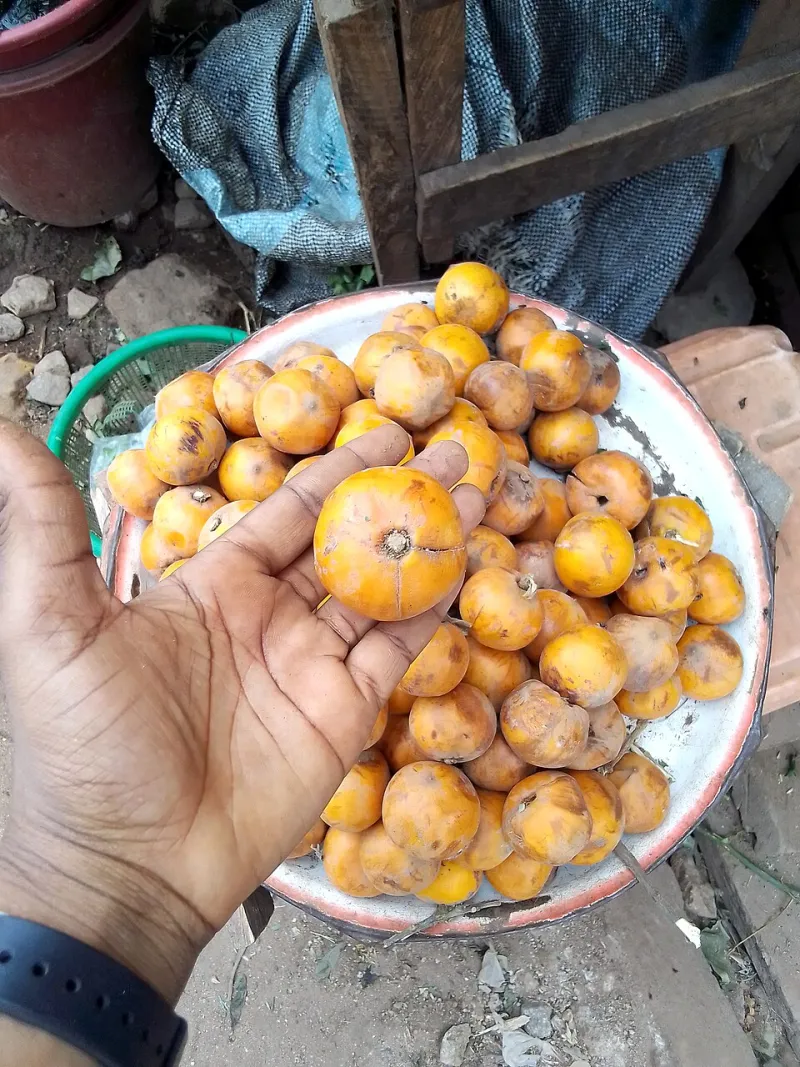
Photo: Ebiojo, CC BY-SA 4.0, via Wikimedia Commons
If you've spent any time in wellness corners of TikTok or Instagram lately, you've probably seen caimito — star apple — showing up in the kind of content that promises miraculous results from a single fruit. "Eat this every day and reverse your inflammation." "The fruit doctors don't want you to know about." "Ancient remedy for blood sugar control."
Look, we love star apple. It's literally what this site is about. But that's exactly why we feel a responsibility to be straight with you about what the science actually says versus what's being amplified for clicks. Some of the health claims floating around about caimito are grounded in real nutritional value. Others are stretched so far from the evidence they're doing the fruit a disservice.
Here's a clear-eyed look at five of the most common claims — and what's actually going on.
Claim #1: "Star Apple Is a Powerful Anti-Inflammatory Superfood"
The grain of truth: Caimito does contain antioxidants, including some polyphenols and vitamin C, which play a role in reducing oxidative stress. Oxidative stress is connected to chronic inflammation, so there's a logical thread here.
What the science actually says: The research on caimito's anti-inflammatory properties is early-stage and limited. Most of it comes from in vitro studies — meaning cells in a lab dish, not human bodies. A 2019 study published in a Southeast Asian pharmacology journal found that star apple leaf extracts showed anti-inflammatory activity in isolated cell cultures. That's interesting preliminary data, but it's a long jump from "leaf extract in a lab" to "eat this fruit to fight inflammation."
Registered dietitian Maya Okonkwo, who works with clients navigating chronic disease through nutrition, puts it plainly: "Lots of whole fruits contain antioxidants that support the body's natural processes. Caimito is no exception. But calling any single fruit a powerful anti-inflammatory treatment overstates what the evidence supports."
Bottom line: Star apple fits well in an anti-inflammatory diet alongside other fruits and vegetables. It is not a treatment for inflammatory conditions.
Claim #2: "Caimito Controls Blood Sugar and Is Safe for Diabetics"
The grain of truth: Star apple contains dietary fiber, which slows glucose absorption and can help moderate blood sugar spikes after eating. Some traditional medicine practitioners in the Caribbean and Southeast Asia have long used caimito leaves in teas intended to support blood sugar management.
What the science actually says: There is animal research — mostly in rodents — suggesting that compounds in star apple leaves may have some hypoglycemic (blood sugar lowering) effects. Again, this is promising but not conclusive for humans, and it's specifically about leaf extracts, not the fruit flesh itself.
As for the fruit: star apple is moderately sweet, with a glycemic profile that's roughly comparable to other tropical fruits. It's not a low-sugar food. A medium caimito contains around 14 to 18 grams of natural sugar depending on ripeness. That doesn't make it off-limits for people managing blood sugar, but it absolutely does not make it a blood sugar treatment.
If you have diabetes or prediabetes, eat caimito as part of a balanced diet and talk to your healthcare provider. Don't eat it because an influencer told you it would fix your A1C.
Claim #3: "Star Apple Is Loaded With Nutrients — It's a Complete Superfood"
The grain of truth: Caimito is genuinely nutritious. It provides vitamin C, calcium, phosphorus, and some B vitamins. The fiber content is solid. It's a real, whole food with real nutritional value.
What the science actually says: The term "superfood" has no scientific definition. It's a marketing construct, and applying it to star apple — or any food — implies a level of nutritional density that most foods, including caimito, don't quite deliver on their own.
For context: a 100-gram serving of star apple provides roughly 8 to 10% of your daily vitamin C needs and about 5 to 7% of your daily calcium. That's meaningful, but it's not dramatically different from what you'd get from an orange or a guava (and guava actually beats it significantly on vitamin C content).
Caimito is a nutritious, delicious fruit worth eating regularly. It is not a nutritional unicorn that stands apart from other whole fruits. The honest pitch is that it belongs in a varied diet — not that it replaces one.
Claim #4: "Eating Star Apple Boosts Immunity Significantly"
The grain of truth: Vitamin C supports immune function. Caimito has vitamin C. Therefore, caimito supports immune function. That logic chain holds up — up to a point.
What the science actually says: The relationship between vitamin C and immunity is more nuanced than most wellness content suggests. Vitamin C does support various immune processes, but the research on megadosing vitamin C to prevent illness is mixed, and the amounts involved in those studies far exceed what you'd get from eating a star apple.
Getting adequate vitamin C through whole foods — including caimito — is a sensible part of supporting immune health. But the specific claim that star apple "boosts" immunity in a clinically meaningful way isn't backed by evidence specific to this fruit.
The immune system is also not a single dial you can turn up with one food. It's a complex system influenced by sleep, stress, overall diet quality, exercise, and a dozen other factors. A star apple is a nice piece of that puzzle. It's not the whole picture.
Claim #5: "Caimito Has Been Used as Medicine for Centuries — So It Must Work"
This one comes up a lot, and it deserves a careful response.
The grain of truth: Star apple does have a long history of traditional medicinal use across the Caribbean, West Africa, and Southeast Asia. Different cultures have used the leaves, bark, and fruit for various purposes — from managing digestive issues to treating skin conditions. That history is real and worth taking seriously as a starting point for research.
What the science actually says: Traditional use is a legitimate signal that a plant compound might have biological activity worth studying. It is not, on its own, proof that a treatment works. Traditional medicine systems also existed in contexts without germ theory, randomized controlled trials, or the ability to distinguish between a treatment effect and placebo.
Some traditional uses of caimito are supported by early scientific evidence. Others haven't been studied. Some may not hold up when tested rigorously. The honest position is: traditional knowledge is a valuable starting point, not a conclusion.
So What Is Star Apple Actually Good For?
Here's the non-hype version: caimito is a genuinely good fruit. It tastes great, it provides real nutritional value, and it fits well into a healthy diet. The fiber is useful. The antioxidants are real. It's lower in calories than many dessert foods and far more interesting than an apple.
That's actually a compelling case on its own — no exaggeration required. The wellness content machine has a habit of taking legitimately good foods and overclaiming until the backlash arrives and the fruit gets dismissed entirely. We'd rather skip that cycle with caimito.
Eat star apple because it's delicious, because it's a fascinating fruit with a rich cultural history, and because it fits into a varied, plant-forward diet. Just don't eat it expecting a cure. No fruit delivers that — and caimito deserves better than promises it can't keep.