Lost in Translation: Why Star Apple Has Been Left Out of English Cookbooks — and Who's Finally Writing It In

Photo: Unknown, Public domain, via Wikimedia Commons
Walk into any well-stocked American bookstore and flip through the tropical fruit section of a few cookbooks. You'll find mango chutneys, passion fruit curds, guava pastries, and maybe even a jackfruit taco or two. What you almost certainly won't find? A single recipe featuring caimito.
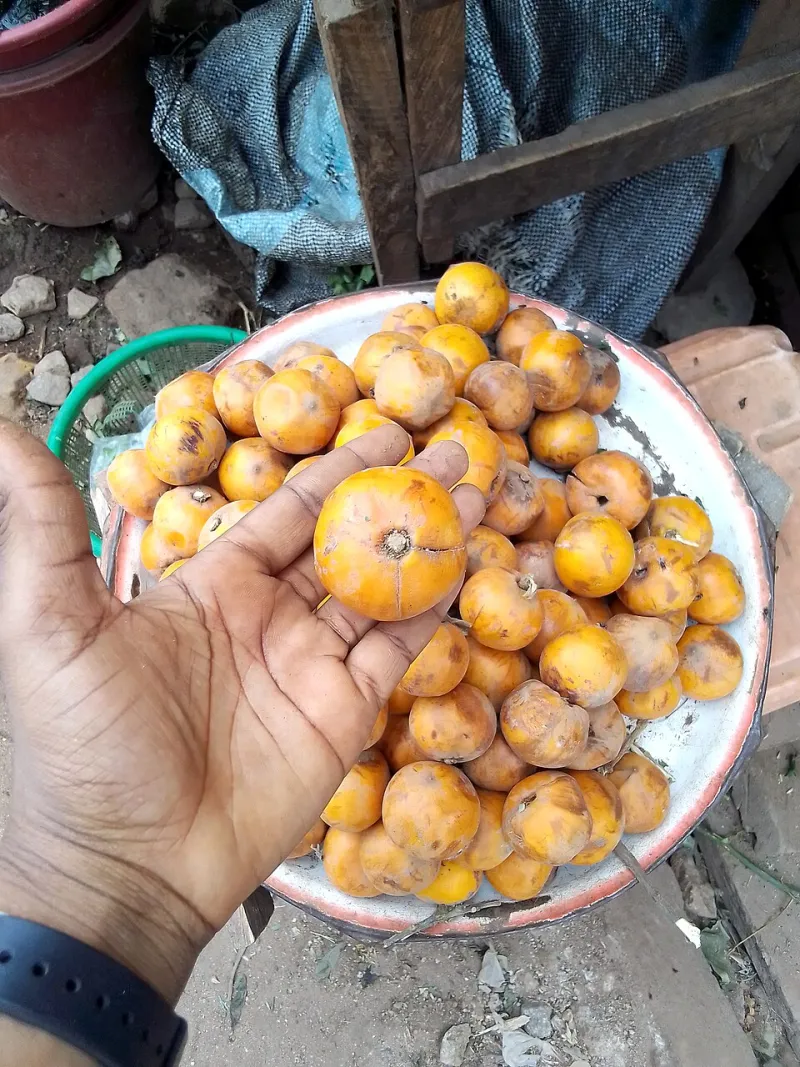
It's a strange omission when you think about it. Star apple is a deeply rooted part of culinary culture across Jamaica, Trinidad, Puerto Rico, Vietnam, and much of West Africa. It's been eaten fresh, blended into drinks, and folded into desserts for centuries. Yet somehow, when food writers sat down to translate tropical cuisine into English for an American audience, caimito kept getting left on the table.
So what happened? And more importantly — who's finally doing something about it?
The Language Barrier Is Real, But It's Not the Only Problem
Part of the answer is pretty straightforward: a lot of the existing caimito culinary knowledge lives in oral tradition, in Spanish, in Haitian Creole, in Tagalog. Grandmothers in Kingston and Havana and Port-au-Prince know exactly what to do with a ripe star apple. They just didn't write it down in a format that got picked up by American publishers.
But the language gap only explains so much. Plenty of other fruits from those same regions — think plantains, tamarind, soursop — have managed to find their way into English-language cookbooks. The real issue with caimito seems to be a combination of its short shelf life, limited commercial availability in the US, and the fact that it's genuinely tricky to cook with in ways beyond eating it fresh.
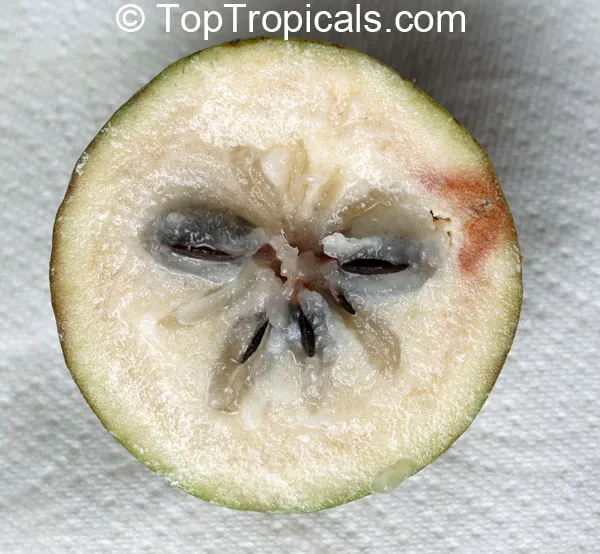
Star apple doesn't caramelize the way mango does. It doesn't hold up to heat the same way guava can. Its milky, delicate flesh is at its best raw, which makes it harder to position in a recipe format that needs to justify the page space. Publishers want versatility. Caimito, at first glance, doesn't offer it in the obvious ways.
The Chefs Who Disagree
A growing number of culinary professionals are pushing back on that narrative — and they're doing it with actual recipes.
Chef Natasha Forde, a Trinidadian-American pastry chef based in Brooklyn, has been incorporating caimito into her dessert menus for the past few years. Her star apple panna cotta — made with the fruit's natural creaminess as a base — has become something of a signature dish. "People assume it's a novelty ingredient, but it's actually incredibly functional once you understand its texture," she says. "The challenge is that most American cooks have never touched one, so there's a knowledge gap that needs to close before the recipes can land."
Forde has been developing a collection of caimito-forward recipes she hopes to include in a future cookbook project. She's not alone in that ambition.
In Miami — arguably the US city most connected to Caribbean food culture — chef and food writer Marcus Delgado has been quietly building what he describes as "the caimito canon." His approach focuses on pairing the fruit with familiar American flavor profiles: star apple and cream cheese on a bagel, a caimito smoothie bowl dressed up with granola and honey, a star apple vinaigrette for grain salads. The goal isn't exoticism. It's accessibility.
"The fruit doesn't need to be dressed up as something mysterious," Delgado explains. "It needs to be shown as something useful. Once home cooks see it as an ingredient rather than an experience, the recipes start to make sense."
What the Food Writing World Is Slowly Catching On To
Beyond restaurant kitchens, a handful of food journalists and independent cookbook authors are starting to notice the gap and move to fill it.
Online food platforms have been more receptive than traditional publishers. Recipe developers with Caribbean and Southeast Asian backgrounds have been publishing caimito content on food blogs and social media, building an audience of curious home cooks who are willing to seek the fruit out. Some of these creators have amassed surprisingly large followings just by documenting what their families have always done with star apple — filming the simple ritual of slicing one open, scooping out the flesh, and eating it over a kitchen sink.
That kind of content is doing something cookbooks haven't managed to do yet: it's making caimito feel approachable rather than intimidating.
Food writer and culinary historian Priya Menon, who has written about the underrepresentation of tropical fruits in American food media, sees the current moment as a turning point. "There's a real appetite right now for authentic, diaspora-rooted food stories," she says. "Caimito fits that perfectly. It's not a trend fruit. It has genuine cultural depth. The question is whether mainstream food publishing is ready to commit to it."
What a Real Star Apple Recipe Collection Needs
For caimito to finally get its due in English-language cookbooks, a few things need to happen at once.
First, recipe developers need to work with the fruit's actual strengths rather than forcing it into formats it doesn't suit. Fresh applications — salsas, smoothies, chilled desserts, simple syrups — are where caimito genuinely shines. Recipes that lean into that will be more successful than ones that try to make the fruit behave like something it isn't.
Second, sourcing guidance has to be part of the conversation. A recipe is useless if the home cook can't find the ingredient. Connecting readers to specialty importers, Caribbean grocery stores, and online fruit vendors needs to be built into any caimito cookbook from the ground up.
Third — and maybe most importantly — the cultural context has to come with it. The best food writing doesn't just tell you how to cook something. It tells you why it matters to the people who've been cooking it for generations. Caimito has that story. It just needs writers willing to tell it.
The Gap Is Closing — Slowly
None of this is going to happen overnight. English-language cookbooks operate on long timelines, and publishers tend to be cautious about fruits that aren't already sitting in the produce section at Whole Foods.
But the momentum is real. Chefs like Forde and Delgado are building the culinary vocabulary that a future caimito cookbook will need. Food writers are starting to pay attention. And home cooks who've discovered star apple through Caribbean markets or online orders are hungry for more ways to use it.
At Caimito Fruits, we've watched this shift happen in real time. The questions we get from readers have changed — less "what is this fruit?" and more "what else can I do with it?" That's a meaningful evolution.
The cookbook gap is real. But it's not permanent. And when someone finally writes the definitive English-language guide to cooking with caimito, there's going to be a very eager audience waiting for it.