Puerto Rico Grows Star Apple Like Nowhere Else in the US — Here's the Uncomfortable Reason Why
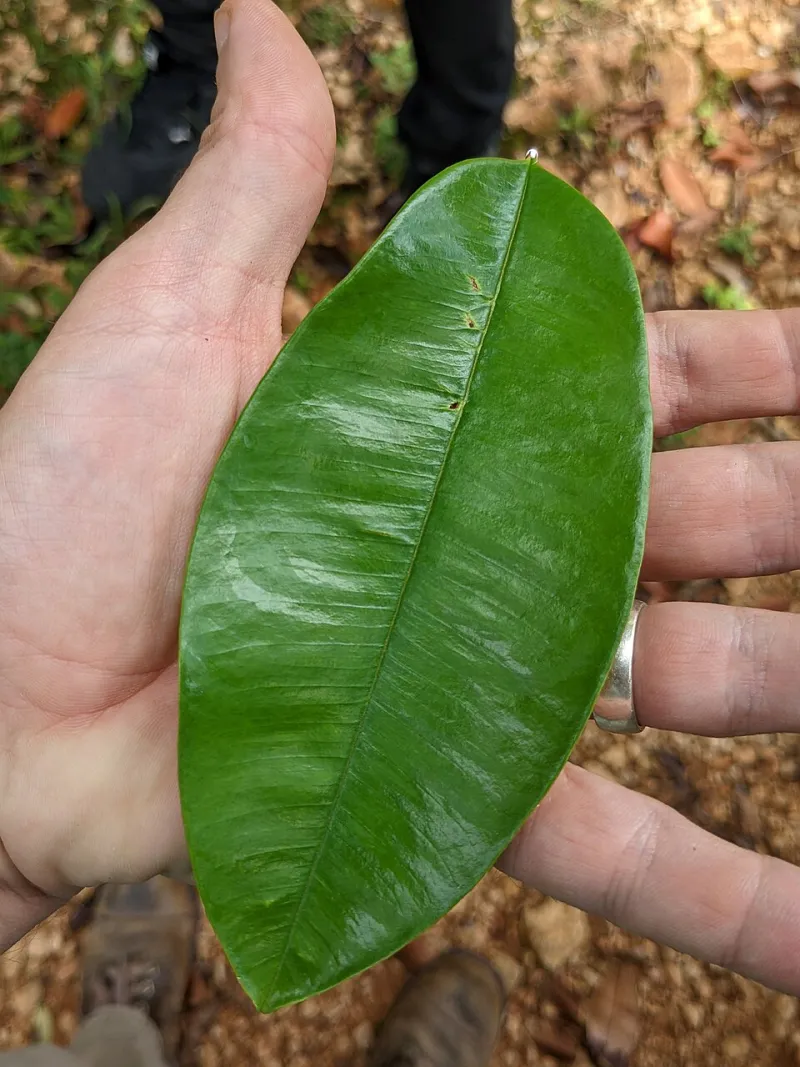
Photo: Eric Knight, CC BY 4.0, via Wikimedia Commons
There's a quiet rivalry playing out in American tropical fruit farming, and most people outside of specialty produce circles have no idea it exists. On one side: Puerto Rico, a US territory with deep roots in Caribbean agriculture, a year-round growing season, and star apple trees that practically fruit themselves. On the other: California, the agricultural juggernaut that dominates everything from almonds to avocados, and has been quietly experimenting with caimito cultivation for over a decade — with frustratingly limited success.
So what gives? Why does a relatively small island in the Caribbean consistently outperform the country's most productive farming state when it comes to Chrysophyllum cainito? The answer involves soil chemistry, rainfall patterns, colonial agricultural history, and a fundamental mismatch between what California growers want and what star apple trees actually need.
What Star Apple Trees Actually Want
Before getting into the geography, it helps to understand the plant itself. Caimito is a tropical evergreen that originated in the Greater Antilles — the same island chain that includes Puerto Rico, Cuba, Jamaica, and Hispaniola. It evolved in a climate with warm, humid air year-round, consistent rainfall distributed across all seasons, and soils that drain well but never fully dry out.
The tree is surprisingly particular. It doesn't tolerate frost, full stop. But it's also sensitive to prolonged dry spells, especially during flowering. Stress the tree during that window and you lose fruit set. Push it through a cold snap and you lose the whole canopy. It wants warmth, it wants moisture, and it wants consistency — not the dramatic seasonal swings that characterize most of California's inland growing regions.
Puerto Rico delivers all of this almost effortlessly. Average temperatures across the island's coastal lowlands sit between 77°F and 82°F year-round. Rainfall is distributed relatively evenly, with the island's eastern and southern municipalities receiving supplemental moisture from both trade winds and orographic lift off the central mountain range. The soils in areas like Ponce, Mayagüez, and the northern coastal plain are deep, slightly acidic, and rich in the kind of organic matter that caimito roots thrive in.
California's Caimito Problem, Explained
California isn't one climate — it's about fifteen of them stacked on top of each other. And that's precisely the problem. The zones that are warm enough for tropical fruit (the Coachella Valley, parts of the San Diego backcountry, the southern Central Valley) tend to be either too dry, too hot in summer, or too cold at night in winter to keep caimito happy.
San Diego County has seen the most serious experimental caimito planting, mostly by backyard growers and a handful of small-scale specialty farms. The coastal microclimates there are genuinely mild — temperatures rarely dip below 40°F, and the marine layer keeps things from overheating in summer. But that same marine layer also means less direct sunlight during critical growth periods, and the soils in much of coastal San Diego are sandy and low in organic matter, requiring significant amendment to support a heavy-fruiting caimito tree.
The Coachella Valley, which produces dates, citrus, and table grapes at industrial scale, has the heat units caimito needs in summer — but winter nights regularly drop into the 30s, and the region's alkaline desert soils are nearly the opposite of what the tree prefers. Growers who've tried it there report poor fruit development and high tree mortality after cold snaps.
None of this means California can't grow caimito. It means doing so requires significant infrastructure investment: drip irrigation systems calibrated to mimic tropical rainfall patterns, soil acidification programs, frost protection during winter nights, and careful cultivar selection. That's a lot of cost to absorb for a fruit that still has limited mainstream market demand.
Puerto Rico's Hidden Agricultural Advantage
Beyond the climate, Puerto Rico brings something California simply doesn't have: generational familiarity with the crop. Caimito has been grown on the island for centuries. Local farmers know when to harvest, how to read the tree's fruiting signals, which cultivars perform best in which municipalities, and how to manage the post-harvest window before the fruit softens past the point of sale.
That embedded knowledge is genuinely hard to replicate. A California grower starting from scratch with caimito has to learn everything through trial, error, and expensive mistakes. A farmer in Isabela or Coamo likely learned from a parent or grandparent who grew the same trees. That institutional knowledge shows up in fruit quality, yield consistency, and the kind of subtle orchard management decisions that don't appear in any extension service manual.
Puerto Rico also benefits from its proximity to the Caribbean trade network. Rootstock, cultivar material, and agricultural expertise flow relatively freely between the island and neighboring producers in the Dominican Republic, Cuba, and Jamaica. California growers sourcing caimito planting material have to navigate federal import restrictions and phytosanitary requirements that add time, cost, and bureaucratic friction to every step.
What This Means for US Sourcing
For anyone trying to source fresh, high-quality star apple within the United States, the practical implication is clear: Puerto Rico is the play. The island currently represents the most reliable domestic supply of caimito, with peak season running roughly from late winter through early spring — though some farms push production into summer with careful irrigation management.
The logistics are more straightforward than most people assume. Puerto Rico ships to the continental US without the customs complications that apply to imports from Caribbean nations. That matters a lot for wholesale buyers, restaurants, and specialty retailers who need consistent supply without the unpredictability of international sourcing.
There's also a quality argument. Puerto Rican caimito, harvested at the right stage and shipped with even modest cold chain management, arrives in far better condition than fruit coming off a longer international route. The shorter transit time gives buyers more flexibility on ripeness at pickup — a real advantage for anyone who's dealt with the narrow eating window that makes star apple so logistically tricky.
The Bigger Picture for Tropical Fruit Regionalization
The caimito divide between Puerto Rico and California is actually a useful lens for thinking about where tropical fruit production in the US is heading more broadly. The instinct — especially from California's well-funded agricultural sector — is to throw technology and infrastructure at any crop that shows market potential. Sometimes that works. Avocados are a California success story, after all.
But caimito is a reminder that some crops have a home, and trying to relocate them is expensive and often unnecessary. Puerto Rico's star apple advantage isn't a problem to be solved. It's a regional specialty to be celebrated and built on — the same way Vidalia onions belong to Georgia or Dungeness crab belongs to the Pacific Northwest.
The smarter move for the US caimito industry isn't to chase California viability. It's to invest in Puerto Rico's production capacity, improve the cold chain between the island and major mainland markets, and let the fruit come from where it actually wants to grow.
That's not a consolation prize. That's just good agricultural geography.