Jams, Wines, and Fermented Experiments: The Unexpected Ways Caimito Is Showing Up in American Kitchens
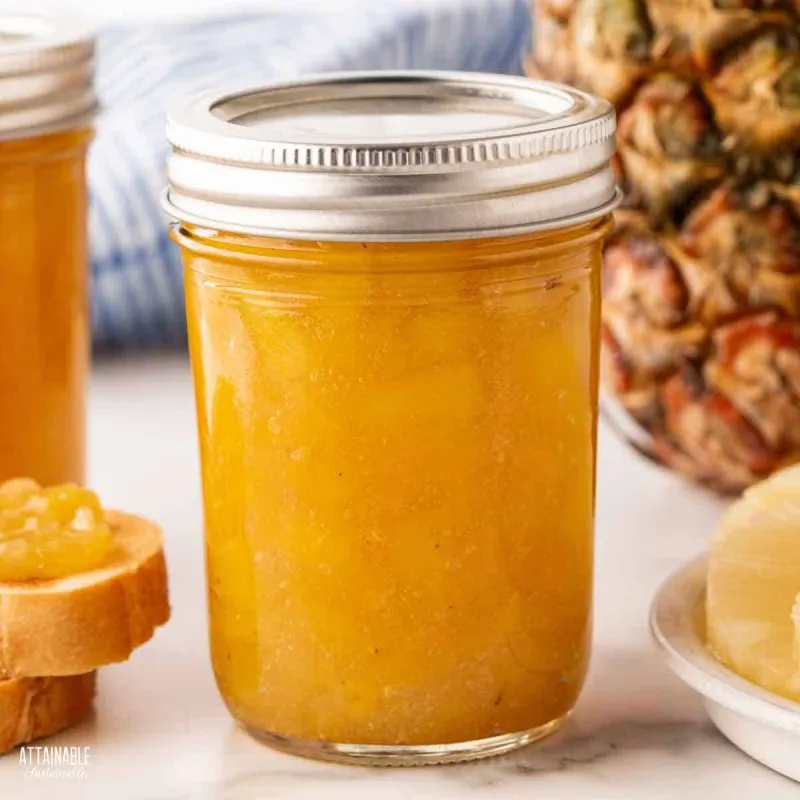
Photo: tropical fruit jam canning preservation jars homemade, via www.attainable-sustainable.net
Ask most people what to do with a ripe caimito and they'll tell you to eat it fresh. And honestly? That's fair. A perfectly ripe star apple — creamy, subtly sweet, with a flavor somewhere between a lychee and a persimmon — is hard to improve on. But here's the thing about mild, lightly sweet fruits with a soft texture: they're also a blank canvas.
A small but growing community of US food entrepreneurs, home canners, and fermentation hobbyists is starting to figure out what Caribbean and Southeast Asian cooks have known for generations — that caimito has a culinary second act that goes well beyond eating it out of hand. And some of what they're creating is genuinely surprising.
Why Caimito's Flavor Profile Is Actually Perfect for Preservation
Before we get into specific applications, it's worth understanding what makes star apple a good candidate for value-added products in the first place.
Caimito's flavor is gentle — almost restrained compared to something like passion fruit or tamarind. It doesn't have the sharp acidity of citrus or the aggressive tropical punch of jackfruit. That mildness, which can feel underwhelming if you're expecting a big flavor moment, becomes an asset when you're building a preserve or fermented product. The fruit acts as a base note rather than a soloist, which means it plays well with added flavors: spices, acids, other fruits, and the complex compounds that develop during fermentation.
The flesh is also high in natural sugars and has a thick, almost pudding-like consistency when fully ripe — qualities that translate well into jams, where you want body and sweetness without having to add excessive amounts of refined sugar.
One caveat worth knowing: caimito contains a sticky, latex-like sap near the skin that can turn bitter if it makes it into your finished product. Proper preparation — scooping the flesh cleanly and avoiding the rind — is essential for any preservation application.
Caimito Jam: Simpler Than You'd Think
Star apple jam is probably the most accessible entry point for home preservers. The fruit's natural pectin content is moderate, so you'll typically need to add commercial pectin or a high-pectin fruit like green apple to get a proper set, but the process is otherwise straightforward.
A basic approach that works well:
- Scoop the flesh from 6–8 ripe caimito (you're aiming for about 2 cups of clean pulp)
- Combine with 1.5 cups of sugar and 2 tablespoons of fresh lime juice in a heavy-bottomed saucepan
- Cook over medium heat, stirring frequently, until the mixture thickens (about 20–25 minutes)
- Add a packet of liquid pectin if you want a firmer set
- Process in sterilized jars using standard water bath canning technique
The result is a soft-set, pale lavender-tinged jam (if you're using the purple-skinned variety) with a gentle sweetness and floral undertone. It's excellent on toast, obviously, but also surprisingly good as a glaze for grilled chicken or pork — the mild sweetness caramelizes beautifully.
Some home canners have experimented with adding ginger, cardamom, or vanilla to the base recipe, all of which complement caimito without overpowering it. A lime zest finish is particularly good.
The Juice Question
Caimito juice is an interesting case. The fruit isn't naturally juicy in the way that, say, an orange or a watermelon is — the flesh is dense and creamy rather than liquid-rich. Getting a drinkable juice requires blending and straining, which gives you something closer to a nectar than a clear juice.
That's not a limitation so much as a different product category. Caimito nectar has a thick, smooth mouthfeel and a subtle sweetness that works well in smoothie blends, as a mixer in cocktails, or thinned with coconut water for a lighter drink. A small number of Caribbean-focused food brands in the US have started offering bottled caimito nectar, primarily through specialty grocers and online retailers serving Caribbean-American communities in cities like Miami, New York, and Houston.
If you're making it at home, the basic process is:
- Blend clean caimito flesh with a small amount of water (start with a 3:1 fruit-to-water ratio)
- Strain through a fine mesh sieve or cheesecloth
- Add lime juice and a touch of honey or simple syrup to taste
- Serve over ice or store refrigerated for up to three days
For longer shelf life, frozen caimito pulp (see our storage guide for how to prepare it) works just as well as fresh in this application.
Fermentation: The Frontier
This is where things get genuinely exciting — and admittedly a little experimental.
Fermented caimito products are not yet widely commercialized in the US, but a small cohort of home fermenters and craft beverage makers have been quietly exploring what the fruit can do. The results are varied, but the most promising applications seem to be:
Caimito wine: The fruit's sugar content and mild flavor profile make it a reasonable candidate for country wine-making (the home fermentation tradition of making wine from non-grape fruits). The process follows standard fruit wine technique: blend the pulp, add water and wine yeast, ferment in a sealed vessel with an airlock, then rack and clarify. The resulting wine is light, slightly floral, and low in tannins — not a bold drink, but an interesting one. Some home winemakers have had success blending caimito with hibiscus flowers to add color and tartness.
Lacto-fermented caimito: A few fermentation enthusiasts have experimented with lacto-fermentation, the same salt-and-time process used to make kimchi and sauerkraut. Caimito's low acidity means it needs careful monitoring, but small-batch experiments have produced a tangy, probiotic-rich condiment with a flavor profile that one Brooklyn-based food blogger described as "what would happen if a pear and a mild cheese had a baby." It's unusual, but in a good way.
Caimito shrub: A shrub is a drinking vinegar — a syrup made with fruit, sugar, and vinegar that's used as a cocktail mixer or diluted with sparkling water. Caimito shrubs are showing up in small-batch cocktail culture, particularly in Miami's growing craft beverage scene. The acidity of the vinegar (apple cider vinegar works well) balances the fruit's sweetness and creates something genuinely complex.
What Food Scientists Are Saying
The interest in caimito as a processing ingredient isn't purely hobbyist. Food science researchers studying underutilized tropical fruits have noted that caimito's polyphenol content — the same compounds responsible for its browning when cut — are actually a potential selling point for functional food products. Polyphenols are associated with antioxidant activity, and as consumer interest in functional ingredients continues to grow, fruits like caimito that were previously overlooked for processing may find a commercial market.
The main technical challenge for commercial caimito products is supply consistency. The fruit is still primarily grown for local consumption in the Caribbean and Central America, and the US import market is fragmented. Building a reliable supply chain for processing-grade caimito is the bottleneck that's keeping most potential entrepreneurs on the sidelines for now.
Getting Started at Home
If you want to start experimenting with caimito preservation, jam is the obvious starting point — it requires minimal equipment, follows familiar canning principles, and produces something you can actually use and share. From there, juice and shrubs are natural next steps.
Fermentation is more advanced and requires some baseline knowledge of food safety (particularly around pH and sanitation), but it's not out of reach for anyone who's already comfortable making kombucha or basic country wines.
The most important thing is to start with good fruit. Overripe caimito — past the point of ideal fresh eating — can actually work well for jam and juice, since the sugars are fully developed and the texture is already soft. But fruit that's gone off, with fermented or off-putting aromas, won't produce a good finished product regardless of technique.
Caimito's culinary potential in the US is genuinely underexplored, and the people doing the most interesting work with it right now are mostly home cooks and small-scale entrepreneurs working with limited resources. That's actually a great time to get involved — the recipes and techniques are still being written, and there's real room to be creative.