Same Fruit, Completely Different Taste: The Geography Hidden Inside Every Star Apple
Pick up a star apple in a Caribbean market in Orlando, and you might walk away thinking you understand the fruit. Then try one grown in the red clay foothills outside Ponce, Puerto Rico. Or one from a shaded grove at 1,200 feet in the Dominican Republic's Cibao Valley. Suddenly, that simple, milky-sweet flavor you thought you knew starts doing things you didn't expect — more tartness here, a deeper floral note there, a finish that lingers in a way the first one never did.
Terroir — the French concept that soil, climate, and geography shape flavor — has been the backbone of wine culture for centuries. Specialty coffee roasters have spent the last two decades applying the same thinking to beans from Ethiopia, Colombia, and Guatemala. Single-origin chocolate makers are doing it with cacao. And yet nobody is having this conversation about caimito, even though the fruit may be one of the most geographically expressive tropical crops in the Western Hemisphere.
That's starting to change.
What Terroir Actually Means for a Tropical Fruit
Terroir isn't magic. It's chemistry. The minerals a tree pulls from the soil, the way temperature swings between day and night stress the fruit just enough to concentrate sugars, the humidity levels that influence how a fruit develops its skin — all of it ends up, in some form, in the flavor.
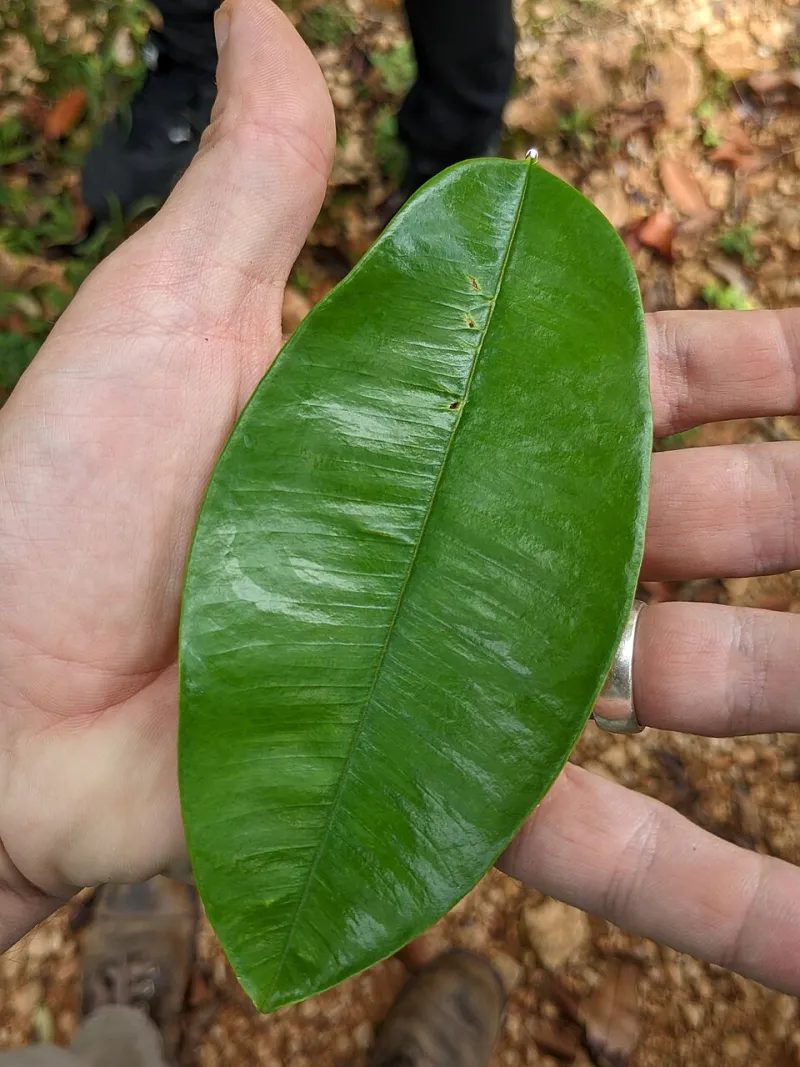
For caimito (Chrysophyllum cainito), the tree is notably sensitive to its environment. It thrives in tropical and subtropical conditions, but it doesn't perform identically across them. Soil pH, drainage, organic matter content, and trace mineral profiles all influence how the pulp develops. The fruit's characteristic milky sweetness comes largely from its sugar composition, but the balance between glucose, fructose, and sucrose — and how that interacts with the fruit's mild acidity — shifts depending on where and how the tree was grown.
Soil scientists who study tropical fruit production have noted for years that volcanic soils, which are common in parts of Puerto Rico and Hawaii, tend to produce fruit with more mineral complexity. These soils are rich in iron, magnesium, and potassium in forms that are highly bioavailable to tree roots. The result, growers often report anecdotally, is a fruit that tastes "deeper" — less one-dimensional than caimitos grown in sandier, lower-nutrient coastal soils.
Puerto Rico vs. Dominican Republic vs. Hawaii: A Flavor Geography
If you've sourced caimito from multiple origins, you've probably already noticed the differences without having a framework to describe them. Let's build one.
Puerto Rico, particularly fruit grown in the island's mountainous interior and western highlands, tends to produce caimitos with a pronounced floral quality — some tasters describe notes of jasmine or light vanilla alongside the expected sweetness. The island's volcanic geology and relatively high elevation growing zones (some orchards sit above 1,000 feet) contribute to cooler nights that slow sugar development and add subtle complexity. Puerto Rican growers also tend to favor the purple-skinned variety, which carries slightly more tannin in the skin and a richer, almost cream-like pulp.
Dominican Republic caimitos, particularly those from the fertile Cibao Valley region, often skew sweeter and more straightforward. The valley's alluvial soils are extremely productive — great for yield, but sometimes at the cost of flavor nuance. Fruit grown on the island's southern slopes, where the terrain is drier and the soil thinner, can be more concentrated and slightly more acidic, which many tasters actually prefer for eating out of hand.
Hawaii, the most accessible domestic source for US buyers, presents a fascinating case. Hawaiian-grown star apples — still a relatively niche crop on islands like Maui and the Big Island — benefit from some of the most mineral-rich volcanic soil on earth. Early reports from specialty growers suggest the fruit can develop unusually complex flavor profiles, though the industry is still young and consistency remains a work in progress. Elevation matters enormously here: fruit grown at higher elevations on the Big Island reportedly shows more acidity and a longer finish than lowland-grown fruit.
The Role of Microclimate and Shade
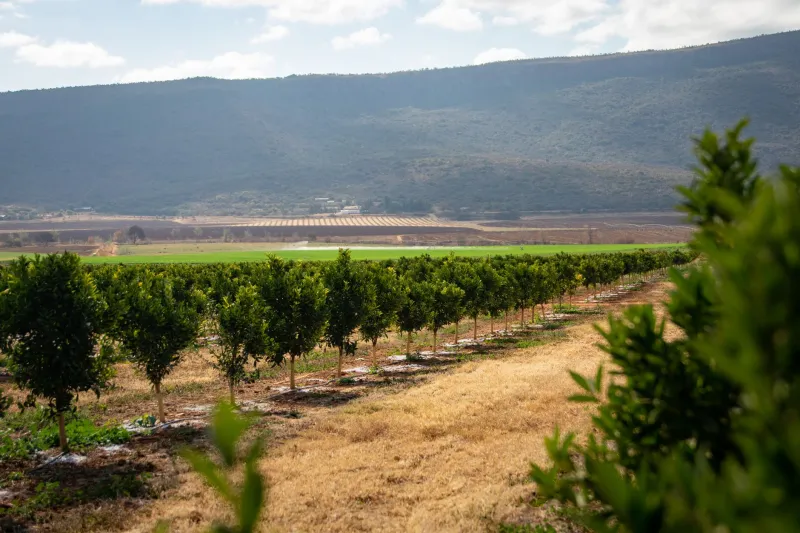
One underappreciated factor in caimito flavor is canopy management and shade. Unlike many tropical fruits that want full sun, star apple trees are remarkably adaptable to partial shade — and some growers believe shaded cultivation slows fruit maturation in ways that increase flavor complexity, similar to how shade-grown coffee develops differently from sun-grown varieties.
In traditional Caribbean cultivation, caimito trees were often grown as part of mixed-use home gardens, surrounded by other trees, shrubs, and crops. That natural shade and biodiversity created microclimates — small pockets of specific humidity, temperature, and light — that influenced each tree's output in subtle but real ways. Modern monoculture production, which optimizes for yield and uniformity, tends to flatten those differences out.
This is part of why small-farm and backyard-grown caimito so often tastes better than commercially produced fruit. It's not nostalgia. It's terroir.
Why This Matters for US Buyers and Chefs
The specialty food market in the US has proven, repeatedly, that consumers will pay a premium for origin-specific flavor. Single-origin chocolate commands prices three to five times higher than commodity chocolate. Micro-lot coffees sell out in hours. Natural wine drinkers obsess over which side of a particular hillside a grape was grown on.
Caimito is sitting on an untapped version of that same story — and almost nobody is telling it.
For chefs sourcing tropical fruit, thinking about caimito origin the way you'd think about citrus variety or apple cultivar opens up real culinary possibilities. A sweeter, more neutral Dominican caimito might work beautifully in a dessert application where you want the fruit's texture and mild flavor to carry other ingredients. A more complex, floral Puerto Rican fruit might shine in a composed dish where caimito is the star — sliced simply, perhaps with a hit of lime and flaky salt, letting the geography do the talking.
For home growers in Florida, South Texas, or Hawaii, this is also an argument for paying attention to what you plant and where. Soil amendments, cover cropping, and thoughtful site selection aren't just good horticultural practice — they're flavor decisions.
The Conversation Is Just Starting
Wine took centuries to develop a terroir vocabulary. Coffee got there in a couple of decades, partly because roasters and buyers were motivated to differentiate product and tell better stories. Caimito doesn't have that infrastructure yet — no formal tasting panels, no origin certification programs, no established lexicon for describing its flavor variation.
But the groundwork is there. The geographic diversity is real. The flavor differences are real. And as more specialty importers, chefs, and curious home cooks start paying attention to where their star apples come from, the conversation is going to get a lot more interesting.
The fruit has always been this complex. We just haven't been asking the right questions.