Bruised, Mushy, and Basically Unsellable: The Real Reason Star Apples Keep Dying in Transit
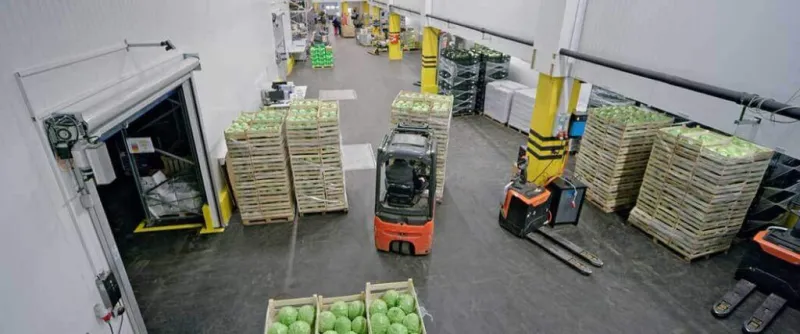
Photo: tropical fruit cold chain refrigerated shipping logistics warehouse, via usarefrigeratedfreight.com
Talk to anyone who's tried to source fresh caimito in the US and you'll hear some version of the same story. The fruit looked perfect in the photos. The seller had great reviews. And then the box arrived — a fragrant, slightly warm, deeply disappointing mess of split skin and brown flesh.
This isn't a rare fluke. It's closer to the norm. And if you've ever wondered why star apples remain so hard to find at a reliable quality level in American cities, the answer isn't just about demand or shelf space. A huge part of the problem happens between harvest and your front door, inside the logistics chain that most consumers never think about.
What Makes Caimito So Hard to Ship
Star apples are not built for long-haul travel. Unlike a mango, which has a thick skin and a tough pit that gives it some structural integrity, caimito is soft, round, and dense with milky juice. Press it slightly too hard and the skin splits. Let it get too warm for even a few hours and the flesh begins to break down from the inside out. Expose it to the wrong humidity levels and you get surface mold before the fruit even gets close to ripe.
Most caimito coming into the US originates in the Caribbean — primarily Jamaica, Haiti, and parts of the Dominican Republic — along with Central American growing regions. From farm to American table, that fruit typically moves through at least three to four handling points: a local packing shed, a freight consolidator, an air or sea shipment, US customs and cold storage, and then final-mile delivery. Each one of those transitions is an opportunity for something to go wrong.
"The fruit doesn't forgive mistakes," said one South Florida importer who asked not to be named but has been sourcing tropical fruit for over fifteen years. "With something like plantains or even guanábana, you have a little buffer. With caimito, if the temperature breaks once — even briefly — you're done. You're selling compost."
Where the Cold Chain Actually Breaks
The phrase "cold chain" refers to the unbroken sequence of refrigerated conditions that keeps perishable goods viable from origin to destination. For tropical fruits, maintaining that chain is already complicated because many of them are sensitive to temperatures that are too cold just as much as temperatures that are too warm. Caimito, for instance, is susceptible to chilling injury below around 50°F. That means you can't just throw it in a standard refrigerated container and call it a day.
The sweet spot is narrow — roughly 50 to 55°F — and keeping fruit in that range across a multi-leg journey involving different carriers, different facilities, and different climates is genuinely difficult. Freight handlers at major air cargo hubs aren't always trained to distinguish between tropical fruits with different temperature needs. Shipments can sit on a warm tarmac for hours. A refrigerated truck set two degrees too cold can cause just as much damage as one that's too warm.
Then there's the issue of ethylene gas. As caimito ripens, it releases ethylene, which accelerates ripening in surrounding fruit. In a sealed box without proper ventilation, a few overripe pieces can trigger a chain reaction that takes out the rest of the shipment before it clears customs.
The Packaging Problem Nobody Talks About
Walk into any produce distribution warehouse and you'll find mountains of engineered packaging — foam nets, ventilated clamshells, wax-coated cardboard — designed specifically for fruits like avocados, strawberries, and citrus. There's almost nothing like that built with caimito in mind.
Most star apples still get shipped in basic cardboard boxes with a layer of newspaper or tissue paper as cushioning. It's the same method that might have been used thirty years ago. For a fruit this fragile, that's a real problem.
"We've been testing different insert materials for two years," said a packaging engineer who works with a small produce startup based in the Miami area. "The challenge is that caimito has this really unusual weight-to-softness ratio. It's heavy enough that stacking pressure is a major issue, but the skin is thin enough that even foam can leave impressions if the fit isn't perfect."
Her team has been experimenting with modified atmosphere packaging (MAP), a technology that's already used widely for cut salads and some premium berries. MAP works by adjusting the gas composition inside a sealed package — typically reducing oxygen and increasing carbon dioxide — to slow down respiration and delay ripening. Applied correctly to whole caimito, early trials suggest it could extend viable transit life by several days without affecting flavor or texture.
What One Miami Operation Is Actually Doing About It
A small distribution outfit operating out of Miami-Dade County has been quietly building what they describe as a "caimito-specific" cold chain protocol over the past couple of years. They're not a household name yet, but among specialty tropical fruit buyers in the Southeast, they've started to develop a reputation for delivering star apples that actually look like the photos.
Their approach involves several layers. First, they work directly with a small network of farms in Jamaica and Haiti that harvest fruit to a specific maturity index — slightly underripe by commercial standards, but calibrated for a longer transit window. Second, they use insulated pallet covers and temperature loggers on every shipment, so they have a full record of any temperature excursions during transit. Third, they've invested in a MAP sealing station at their Miami facility for orders going to more distant markets like the Midwest or Pacific Coast.
"We lose less than five percent of product to transit damage now," said the company's operations lead. "When we started, we were losing closer to thirty. That's the difference between a viable business and a nightmare."
They're also working with a USDA-affiliated researcher on refining optimal storage parameters specifically for the two main caimito varieties available in the US — the purple-skinned and the green-skinned — which, it turns out, have meaningfully different cold tolerance thresholds.
Why This Matters for Anyone Trying to Buy Star Apples
If you've ordered caimito online and been disappointed, there's a decent chance the fruit itself wasn't the problem. The variety might have been excellent. The farm might have done everything right. But somewhere between the packing shed and your kitchen counter, the system failed.
The good news is that this is a solvable problem. The solutions exist — better packaging technology, tighter temperature protocols, more direct farm-to-distributor relationships. What's been missing is the economic incentive to apply them to a fruit that's still considered niche by American market standards.
As demand for caimito grows among Caribbean diaspora communities, adventurous home cooks, and chefs looking for genuinely differentiated ingredients, that calculus is starting to shift. Distributors who figure out the cold chain now will have a real edge when the broader market catches up.
For now, if you're sourcing star apples and want the best shot at getting them in good condition, ask your supplier directly about their cold chain practices. Find out where the fruit is packed, how it's shipped, and whether they use any form of temperature monitoring. It's a little more work than just clicking "add to cart," but for a fruit this good — and this unforgiving — it's worth knowing what you're actually getting.