Why Star Apple Fights Every Bartender It Meets — and How Some Are Winning
Photo: bartender straining tropical fruit cocktail into coupe glass, via www.saymei.app
On paper, star apple looks like a bartender's dream. It's tropical, it's rare, it has a story, and the flavor is gentle enough to play well with rum, gin, or mezcal. Menus love a fruit nobody else has.
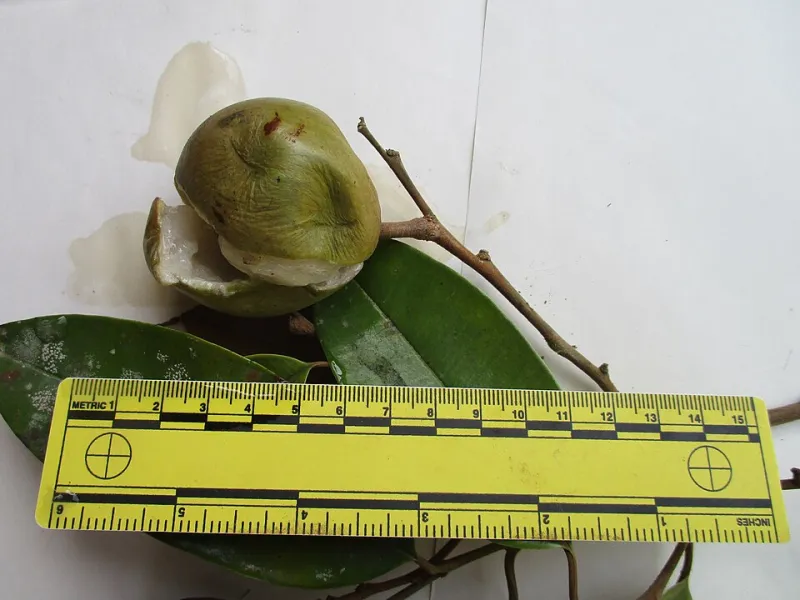
In practice, the first person to put a caimito through a cocktail shaker usually learns a few things the hard way. The pulp clogs the strainer. The latex leaves a film on everything. The color goes from pale violet to unappetizing brown within a shift. And the fruit has almost no acidity, which means it can't carry a drink on its own the way lime or passion fruit can.
None of that makes star apple impossible behind the bar. It just means the fruit needs to be treated as a project rather than an ingredient you squeeze and dump in.
The three things that make it difficult
Texture. Ripe caimito pulp is thick and gelatinous. Shake it and you get a drink with floaters, or a strainer that stops working halfway through service.
Latex. The milky sap that makes the fruit sticky also clouds liquids and clings to tools. If it gets into a batch of syrup, it can leave a slightly chalky mouthfeel that no amount of dilution fixes.
Low acid, fragile color. Star apple is sweet and mild, with very little tartness to balance sugar or spirit. Its pale color also oxidizes quickly — a pitcher of caimito purée left out will darken noticeably in an hour or two.
Start with syrup, not juice
Juicing star apple is mostly a waste of time. The pulp doesn't release liquid cleanly, and what comes out is thin and dull. The better path is a syrup or a purée:
- Simple syrup method. Scoop the pulp, discard skins and seeds, and blend it with an equal weight of hot simple syrup. Strain through a fine mesh, then through a coffee filter if you want it clear. Bottle it, refrigerate it, and use it within a week.
- Cold-process method. Blend pulp with cold syrup and a small amount of citric acid, then let it sit overnight in the fridge and strain twice. Slower, but the flavor stays brighter.
- Frozen pulp shortcut. Good-quality single-ingredient frozen pulp is the most consistent base for a bar program, because it's the same every week. Thaw it cold, blend it smooth, and sweeten to taste.
Either way, add acid. Star apple syrup without lime or citric acid tastes flat in a cocktail, no matter how good the fruit was.
Shrubs and the acid problem
A shrub sounds like the obvious answer — vinegar, sugar, fruit, done. But because caimito brings so little acidity of its own, the vinegar has to do all the work, and the result can taste more like a vinegar drink with a hint of fruit than the other way around.
The workaround that's been showing up in US bars is a hybrid: caimito pulp, sugar, lime juice, and a mild vinegar like rice wine or coconut vinegar, built in roughly a 2:1:1:1 ratio by volume and adjusted to taste. The lime carries the brightness, the vinegar adds length, and the star apple gets to be the background note it's actually good at being.
Infusions: proceed with care
Infusing spirits with star apple is trickier than it looks. Fresh pulp in a jar of rum will give you flavor, but it'll also give you sediment, latex haze, and a shelf life measured in days.
What works better:
- Infuse the syrup, not the spirit. A star apple syrup stirred into aged rum at build time gives you the flavor without the mess.
- Use dried or clarified fruit. Clarified caimito purée, made with a gentle milk-wash or a pectin enzyme, drops clear and holds up longer.
- Blend, don't steep. For frozen drinks, blend pulp directly into the tin rather than steeping it ahead.
Pairings that actually hold up
Star apple is a soft-spoken fruit, so it gets along best with spirits that don't shout:
- Aged rum. The classic match. Vanilla and oak notes line up with the fruit's custard texture.
- Mezcal. A little smoke gives the mild sweetness somewhere to go.
- Gin. Botanical gins with citrus peel work; heavy juniper fights the fruit.
- Cognac or aged brandy. A natural fit for a stirred, dessert-adjacent drink.
- Flavor bridges. Lime, ginger, allspice, vanilla, coconut, and a whisper of salt.
What doesn't work: anything aggressively bitter or heavily oaked. The fruit disappears.
What a realistic caimito menu looks like
A bar that gets serious about star apple usually ends up with two or three drinks rather than a whole section:
- A frozen or blended drink, where pulp texture is an asset instead of a problem.
- A syrup-based sour, built like a daiquiri variant with lime and a split base.
- A dessert-adjacent stirred drink, with aged spirit, star apple syrup, and a bitter accent.
That's a sensible footprint. It's enough to tell a story without betting the menu on a fruit that's expensive, seasonal, and prone to browning.
Will it stick?
Honestly? Probably not everywhere — and that's fine. Star apple requires prep labor, consistent sourcing, and staff who can explain what it is in one sentence. Bars without those things will try it once and move on.
But the places that do commit are finding something real. A caimito syrup made well, cut with lime and poured into a rum drink, is a genuinely good cocktail with a flavor most American guests have never had. That's not nothing. It's exactly the kind of small, specific thing that gets a fruit out of the specialty aisle and into the culture.
The fruit isn't going to take over a cocktail program. It doesn't need to. It just needs a few bartenders willing to deal with the latex.